Key Takeaways
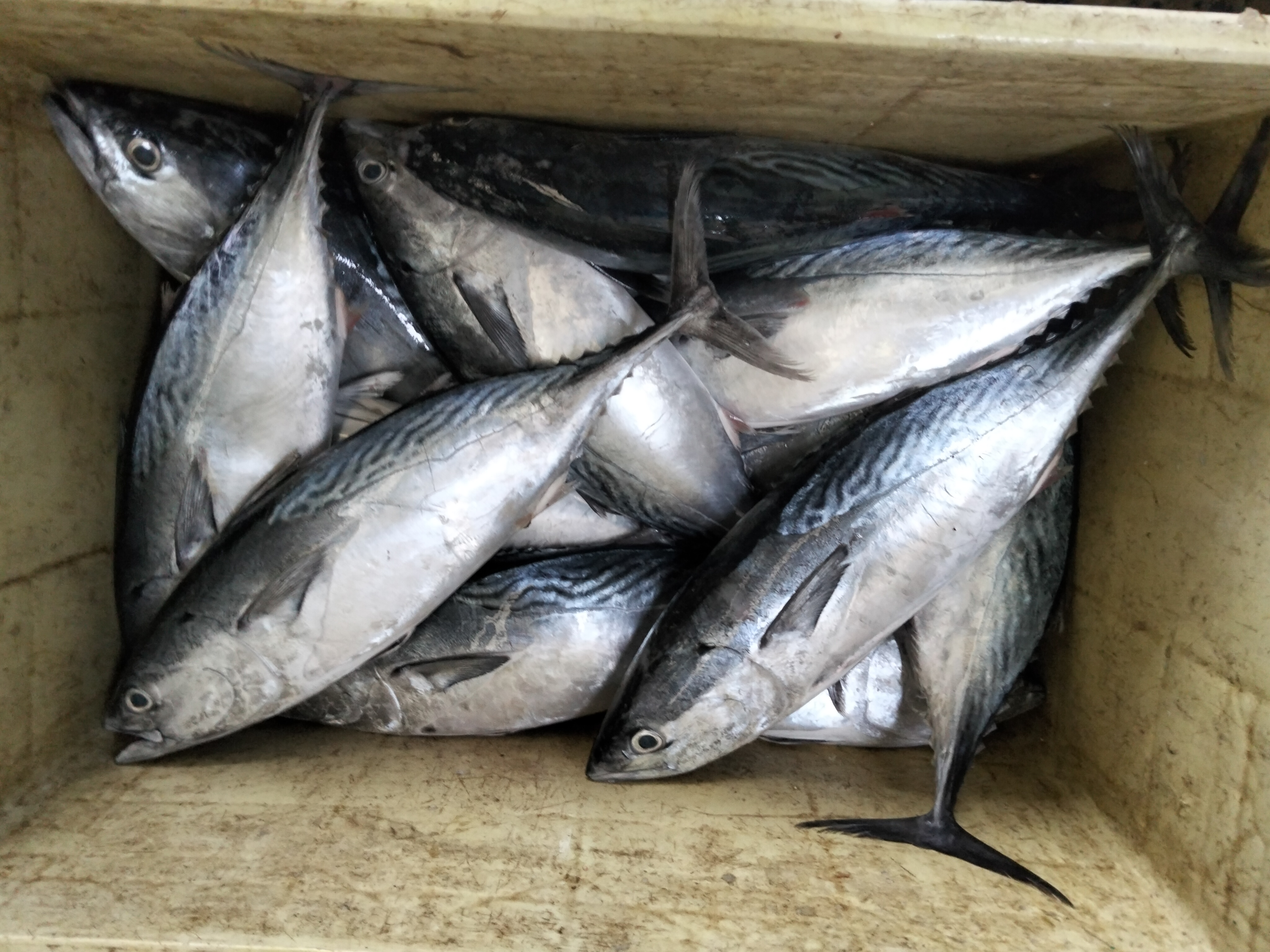
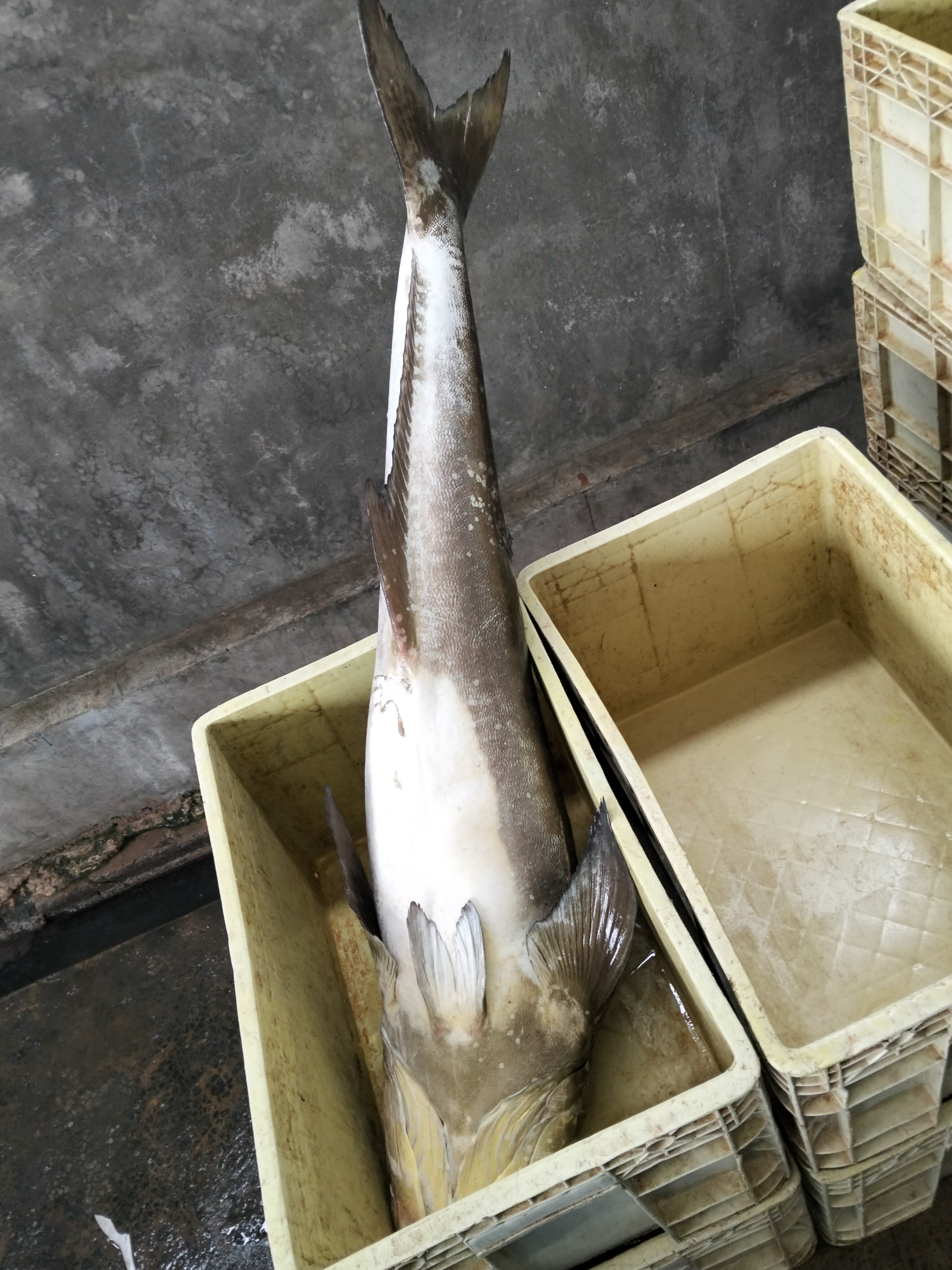
- We sourced a 15kg Bonito and a 19kg Cobia from Pran Buri.
- The fish were processed and frozen rapidly after landing.
- Records track key transition points from the port to our facility.
- The handling process follows strict hygiene and rapid freezing protocols.
Catch Details from Pran Buri
Today, we acquired two significant catches from the waters off Pran Buri: a Bonito weighing 15kg and a Cobia weighing 19kg. These fish were landed and brought to the port. (≖ ͜ʖ≖)✨
The Bonito, known for its speed and migratory habits, was a substantial specimen. The Cobia, a strong fighter, also presented a notable catch. Both were handled with the necessary care from the moment they were brought ashore.
Port Inspection and Purchase
Upon arrival at the port, I immediately inspected the fish. The 15kg Bonito and the 19kg Cobia were both in excellent condition, maintaining the freshness expected from a recent catch. I personally confirmed their quality before proceeding with the purchase. (•̀_•́)✨
After completing the purchase procedures, the fish were promptly transported to our processing facility. This swift movement is critical for maintaining peak freshness. We ensure the time from port purchase to facility arrival is as short as possible.
The Journey to Our Facility
After catch, the fisherman ice-stuns on the boat. Within 10 minutes of purchase at the port, we arrive at the processing facility, cut into sashimi fillets, vacuum-pack, and blast-freeze.
This process is meticulously designed to preserve the fish's integrity. Upon arrival at the facility, the fish are immediately prepared for filleting. I apply the cutting and hygiene techniques that I learned directly from the Chairman, replicating them faithfully. (✧∀✧)✨
The Bonito was blast-frozen within 90 minutes of landing, and the Cobia within 85 minutes. These specific records demonstrate the efficiency and dedication to rapid preservation we uphold. ( ͡° ͜ʖ ͡°)✨
Processing at the Facility
At our processing facility, all fish are handled under strict hygiene controls. The skills in cutting and sanitation, which I learned directly from the Chairman, are meticulously applied here. This is a core part of our operation.
When filleting the Bonito and Cobia, I pay close attention to the direction and fineness of the muscle fibers. This careful approach helps maintain the fish's natural texture when it is eventually thawed. The belly sections, which typically contain more fat, are treated with particular care.
Rapid Freezing and Storage
After filleting, each portion is vacuum-sealed. This packaging prevents dehydration and oxidation during the freezing process. The sealed fish are then placed into our rapid freezing units, operating at temperatures between -30℃ and -60℃.
This rapid freezing method minimizes damage to the fish's cellular structure, which in turn reduces drip loss upon thawing. It is an essential step in ensuring the fish reaches the customer in the best possible condition. Our storage temperature is maintained at a consistent -30℃.
Reflections on Today's Catch
Today's sourcing of the 15kg Bonito and 19kg Cobia from Pran Buri was successful. We secured fish in excellent condition, a testament to the fishermen's efforts and our own stringent handling procedures. The combination of quick portside action, precise processing, and rapid freezing allows us to deliver the quality of Pran Buri's wild-caught fish directly to our customers.
You can check current availability in our online shop.