✍️ KO
Key Takeaways
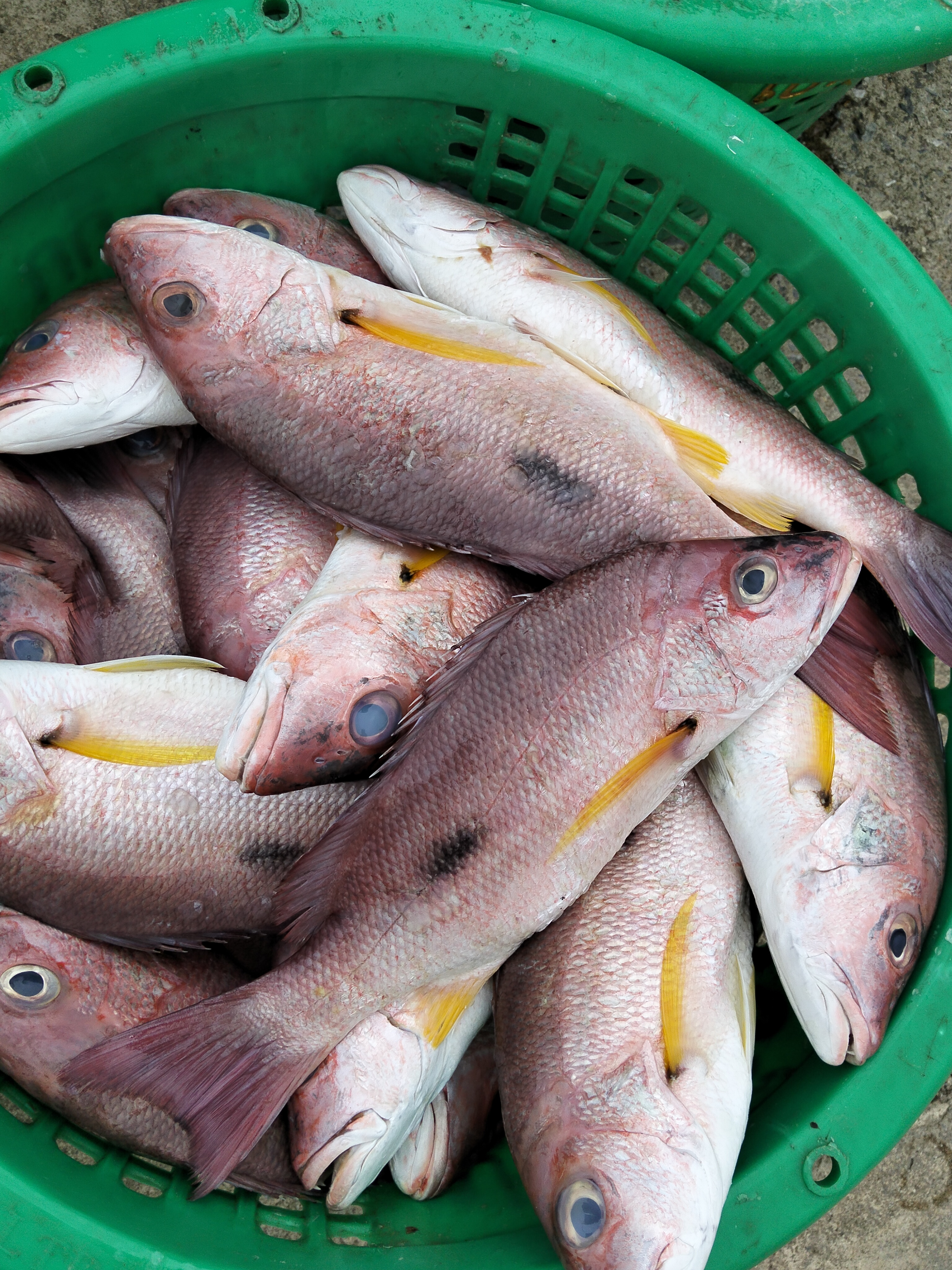
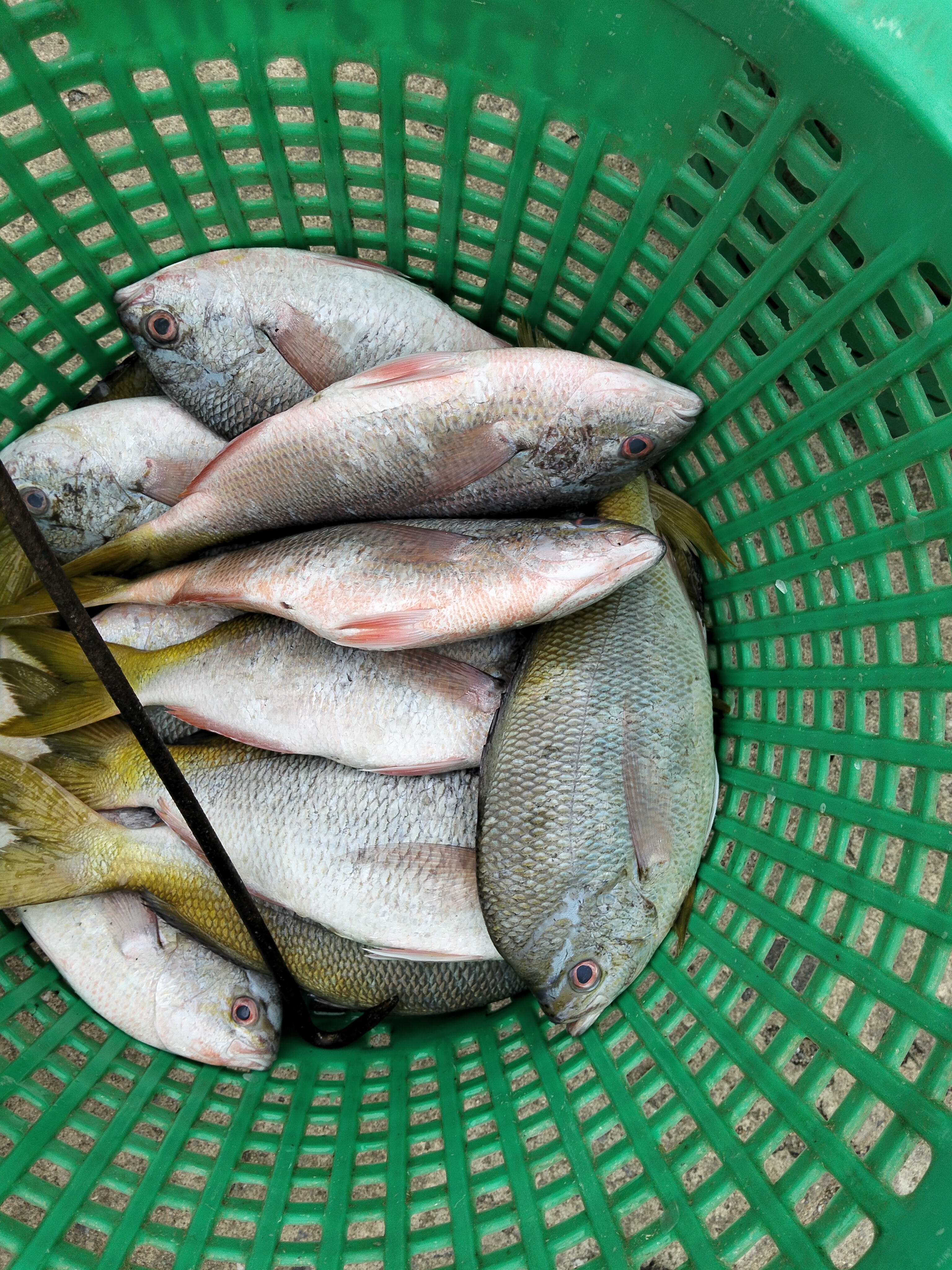
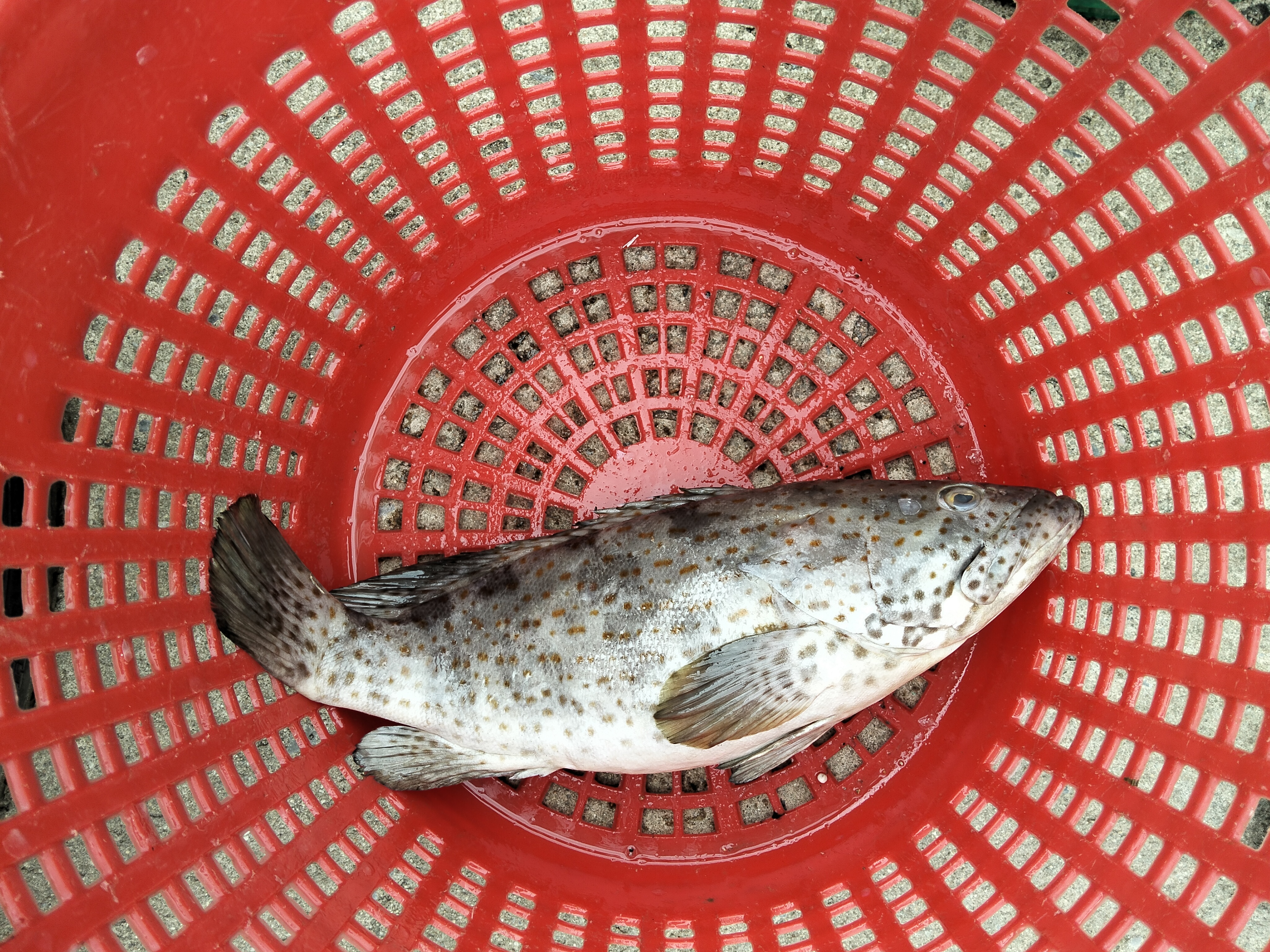
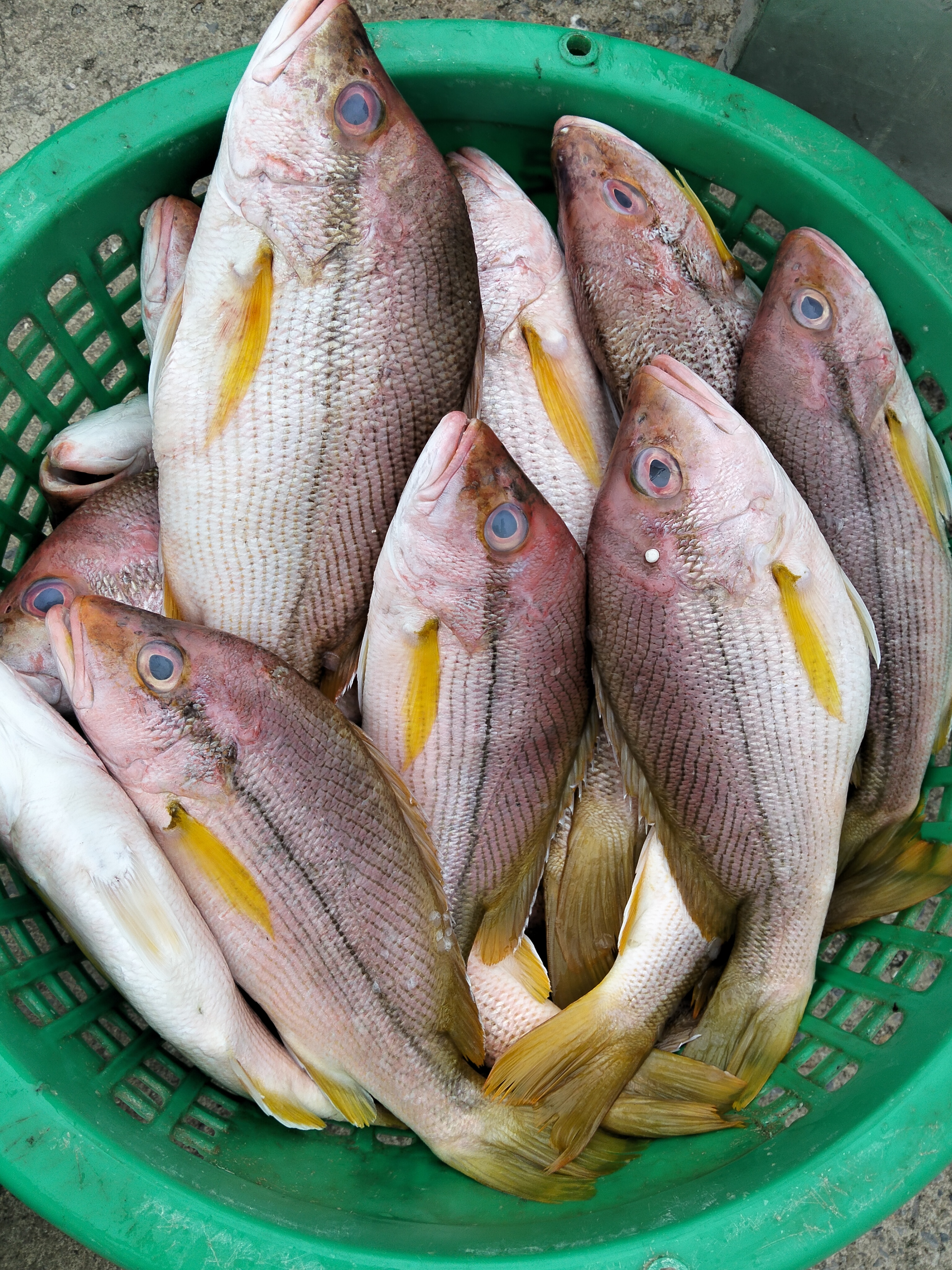
Today, we procured 48.5kg of Red Emperor Snapper, 32kg of Blackfin Seabream, 8kg of Rosy Jobfish, and 1.8kg of Brown Marbled Grouper off the coast of Bramley.
After landing, we promptly purchased them at the port and transported them to the processing plant.
After processing, we performed rapid freezing in an environment of -30°C to -60°C.
The selection and cutting of the fish are faithfully reproduced using the techniques taught by the Chairman.
Bramley Port, Today's Catch
Bramley port was vibrant today. We procured 48.5kg of Red Emperor Snapper and 32kg of Blackfin Seabream. In addition, 8kg of Rosy Jobfish and 1.8kg of Brown Marbled Grouper were also caught. We visually inspected the quality of the fish upon their arrival at the port. The condition of the Red Emperor Snapper and Blackfin Seabream was particularly good. (≖ ͜ʖ≖)✨
Fish Selection and Purchase
At the port, we select fish based on the criteria taught by the Chairman. We meticulously check the color, firmness of the flesh, and the condition of the gills. The 48.5kg of Red Emperor Snapper and 32kg of Blackfin Seabream met these standards. We also selected and purchased 8kg of Rosy Jobfish and 1.8kg of Brown Marbled Grouper in good condition. After purchasing, we immediately transport them to the processing plant.
The Flow Until It Reaches the Store
After landing, fishermen chill the fish with ice on board. Within 10 minutes of purchase at the port, the fish arrive at the processing plant, are processed into sashimi fillets, vacuum-packed, and then rapidly frozen.
This process is extremely important for faithfully reproducing the hygiene management and cutting techniques that the Chairman ingrained in us. The time from purchase at the port to the processing plant is less than 10 minutes. This is our non-negotiable condition for maximizing the freshness of the fish. At the processing plant, we use the cutting techniques directly taught by the Chairman to create fillets. After that, they are vacuum-packed and placed in a rapid freezer at -30°C to -60°C. This entire series of steps supports the quality of GYOTAK. (•̀_•́)✨
Cutting and Hygiene Management at the Processing Plant
At the processing plant, we practice the cutting techniques that I was directly instructed on by the Chairman. We determine the optimal cutting method based on the type and size of the fish. The direction of the muscle fibers, the thickness, and the shape. By accurately processing these elements, we bring out the inherent qualities of the fish. Hygiene management is also thoroughly maintained. The work surfaces are always kept clean, and the tools used are always washed and disinfected before and after use. This was the point the Chairman emphasized the most, and I am also diligently passing it on to my juniors. (✧∀✧)✨
The Importance of Rapid Freezing
The processed fish are immediately subjected to rapid freezing. The freezers we use maintain an environment of -30°C to -60°C. By rapidly freezing at this temperature range, we minimize cell damage in the fish and reduce drip upon thawing. This allows us to preserve the original texture and flavor of wild-caught fish as much as possible without loss. It is precisely because of this technology that we can deliver fish caught in Bramley to customers far away. ( ͡° ͜ʖ ͡°)✨
Summary of Today
Today's catch in Bramley consisted of 48.5kg of Red Emperor Snapper, 32kg of Blackfin Seabream, 8kg of Rosy Jobfish, and 1.8kg of Brown Marbled Grouper. These fish were selected and purchased according to strict standards, processed using techniques directly taught by the Chairman, and then rapidly frozen. This entire process is our unwavering foundation for delivering fish to our customers with confidence. We will continue to uphold this quality.