Key Takeaways
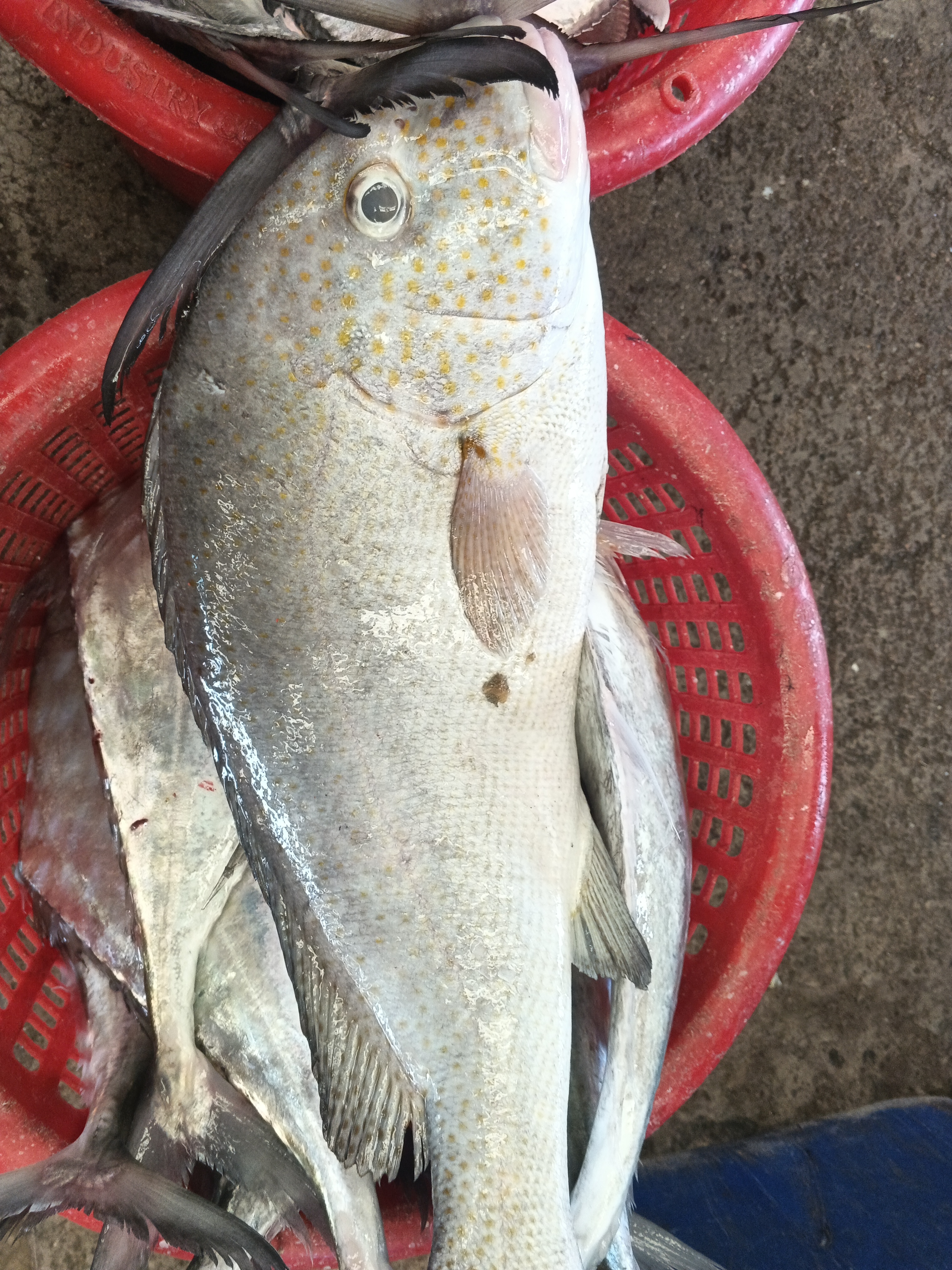
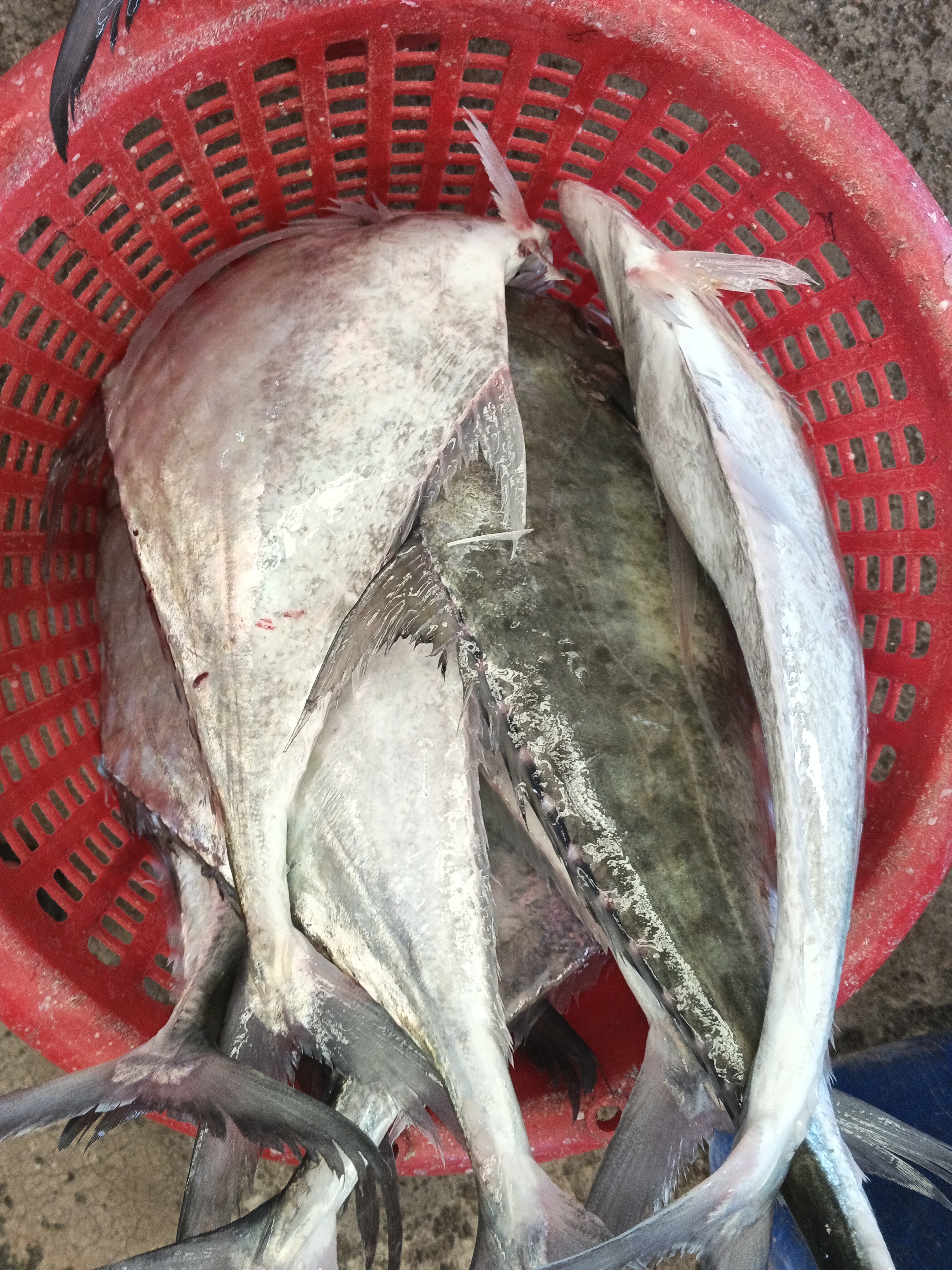
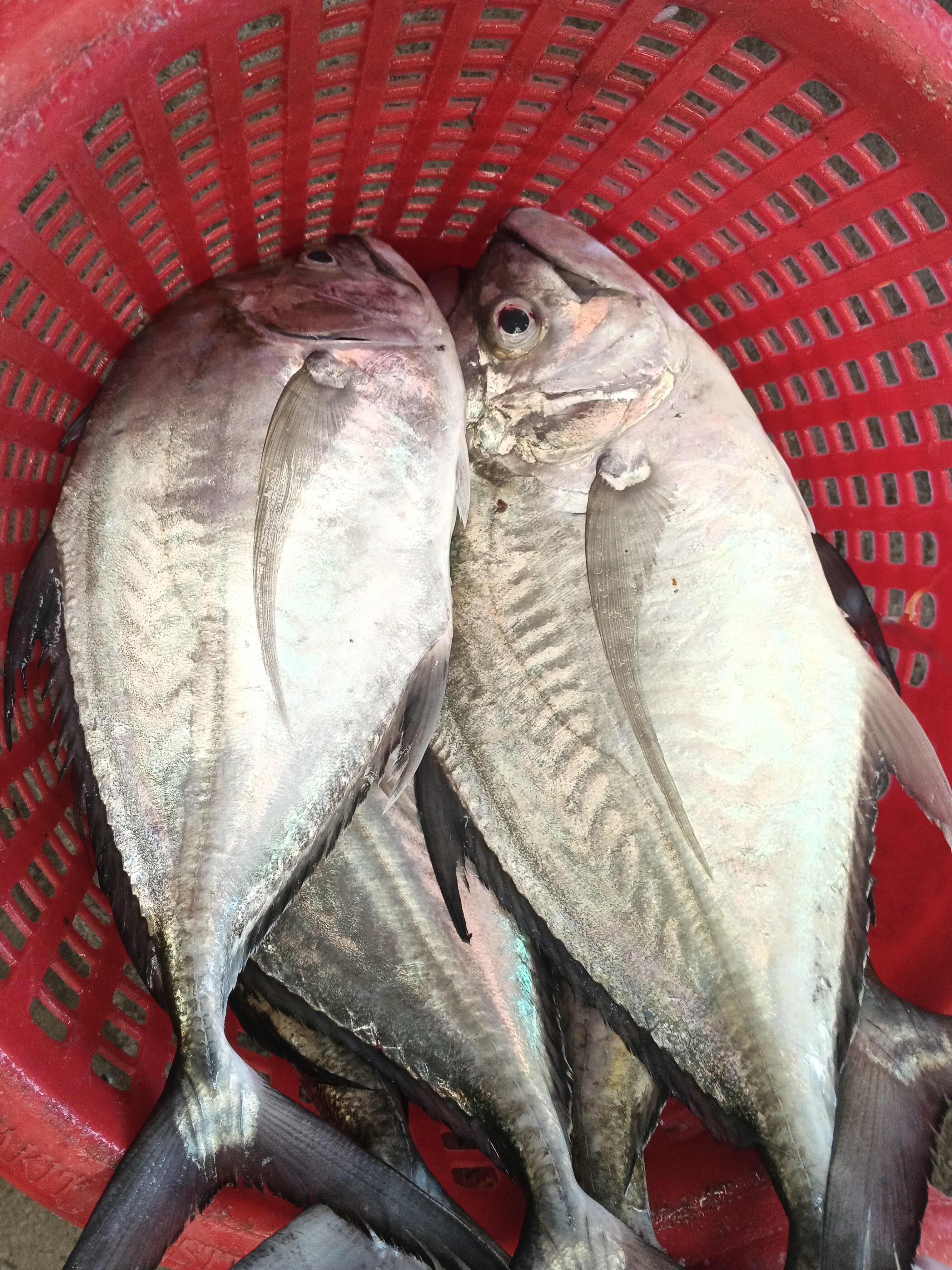
- We procured 19kg of Indian threadfish, 17kg of Longfin trevally, and 4.4kg of Painted sweetlips from Pran Buri. 💪
- The fish were landed and processed quickly, reaching -30℃ within 90 minutes of capture. 💪🏻
- Our process ensures precise temperature control from port to freezer. 💪🏼
- We document each step to provide clear traceability. 💪🏽
Today, we secured some solid catches from the waters off Pran Buri. It’s always a strong start to the day when we can bring in good fish. 💪 The total weight from this run was substantial: 19kg of Indian threadfish, 17kg of Longfin trevally, and 4.4kg of Painted sweetlips. These are the numbers we work with. 💪🏿
The Pran Buri Catch: Weights and Species
The haul today included three distinct species. The Indian threadfish weighed in at 19kg. Following that, we processed a 17kg Longfin trevally. Finally, we handled a 4.4kg Painted sweetlips. These weights represent the fish as they were procured.
From Port to Processing: Speed is Key
The moment these fish are landed, our process kicks into high gear. We aim to minimize the time between catch and our facility. The goal is to get the fish into our system as fast as possible. This rapid handling is crucial for maintaining the fish's condition.
We photographed the fish at the port immediately after purchase. This record is part of our traceability. The condition of the fish upon arrival at the port dictates the next steps. We make sure to document this initial state.
Our Handling Process: Facts and Figures
After catch, the fisherman ice-stuns on the boat. Within 10 minutes of purchase at the port, we arrive at the processing facility, cut into sashimi fillets, vacuum-pack, and blast-freeze. This is the standard procedure we follow for every fish. It’s a system built for efficiency.
The entire process, from the moment the fish is landed to when it enters our blast freezer, is managed to be under 90 minutes. The temperature control is strict. The fish are moved rapidly through each stage. This ensures the integrity of the product.
Temperature Log: Maintaining the Cold Chain
Our blast freezer operates between -30℃ and -60℃. This is where the fish are stored after processing. Maintaining this temperature range is non-negotiable. It's the core of our preservation method. We log all temperature data.
The rapid freezing process begins immediately after filleting and vacuum-packing. This step is critical. It locks in the condition of the fish. We use precise temperature management throughout this phase.
Traceability: Documenting Every Step
We record the time of purchase at the port and the time of packing. These data points are logged for each batch. This forms the basis of our traceability. Our goal is to provide clear information about the fish’s journey.
These records are maintained meticulously. They allow us to track each fish effectively. This transparency is what we build our service on. It’s about providing verifiable data.
NINE's Perspective: The Value of Physical Work
Being on the ground in Pran Buri, involved in the physical work of sourcing and processing, gives me a direct understanding of the fish. It’s not just about the numbers; it’s about the hands-on effort. 💪 Seeing the fish come in, handling them, and ensuring they are processed correctly is the core of my role as the muscle of the GYOTAK BOYS. 💪🏻 Supporting先輩KO and learning from him is also a big part of my growth. 💪🏼 It's a constant cycle of effort and improvement. 💪🏽 We work hard to make sure everything is done right, from the sea to the freezer. 💪🏿
If you want to know about current availability, you can check our online shop.