Key Takeaways
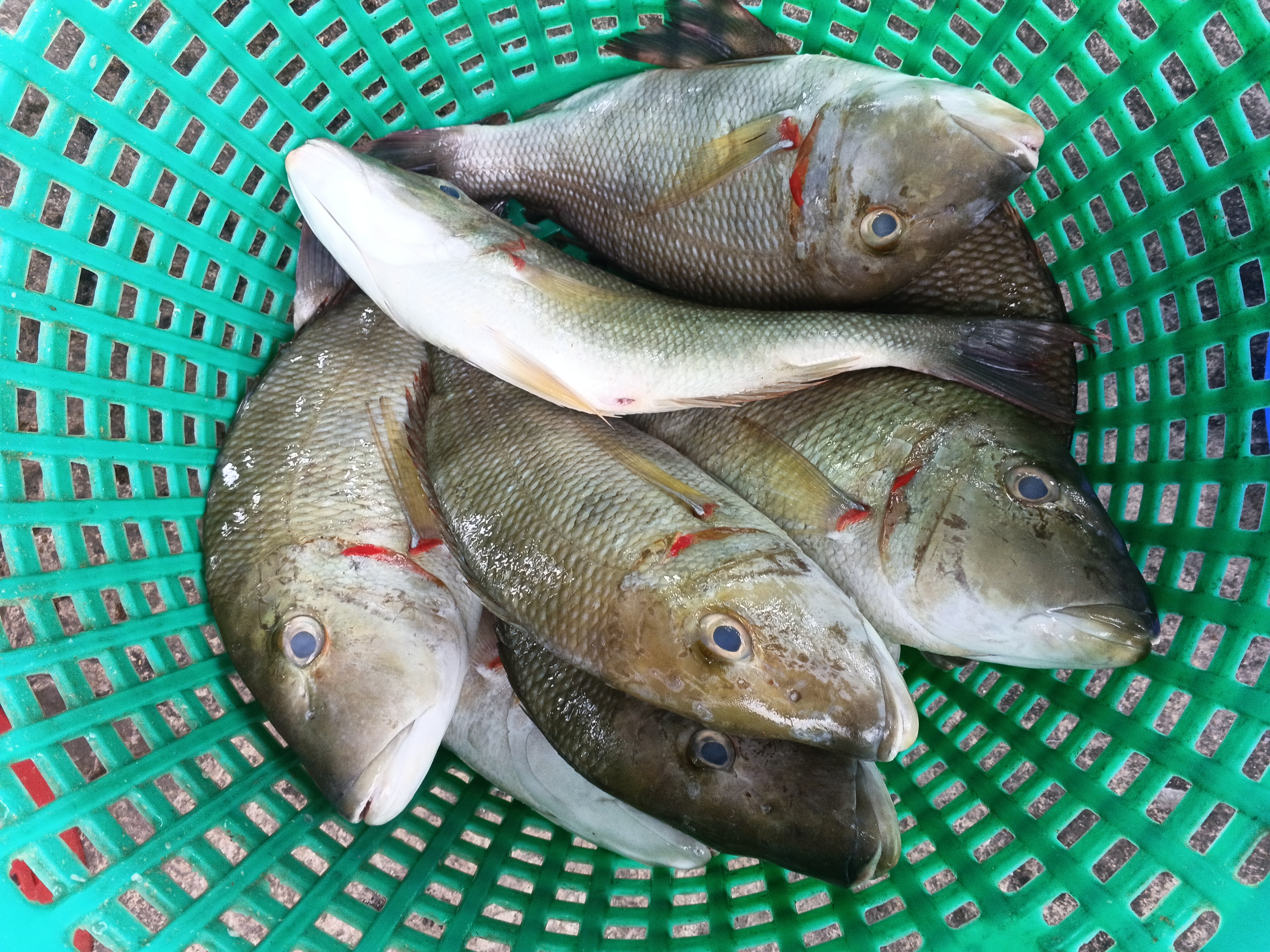
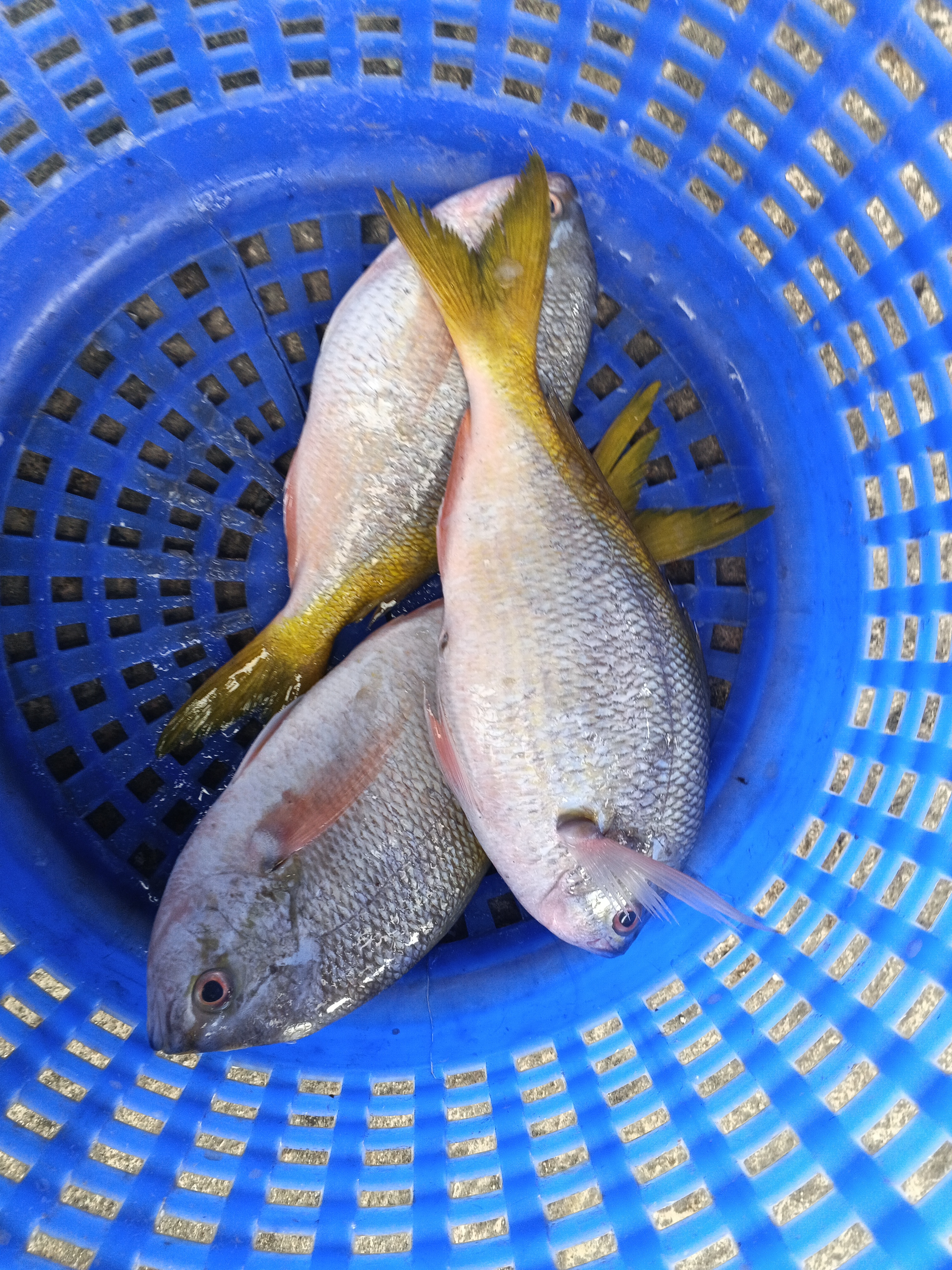
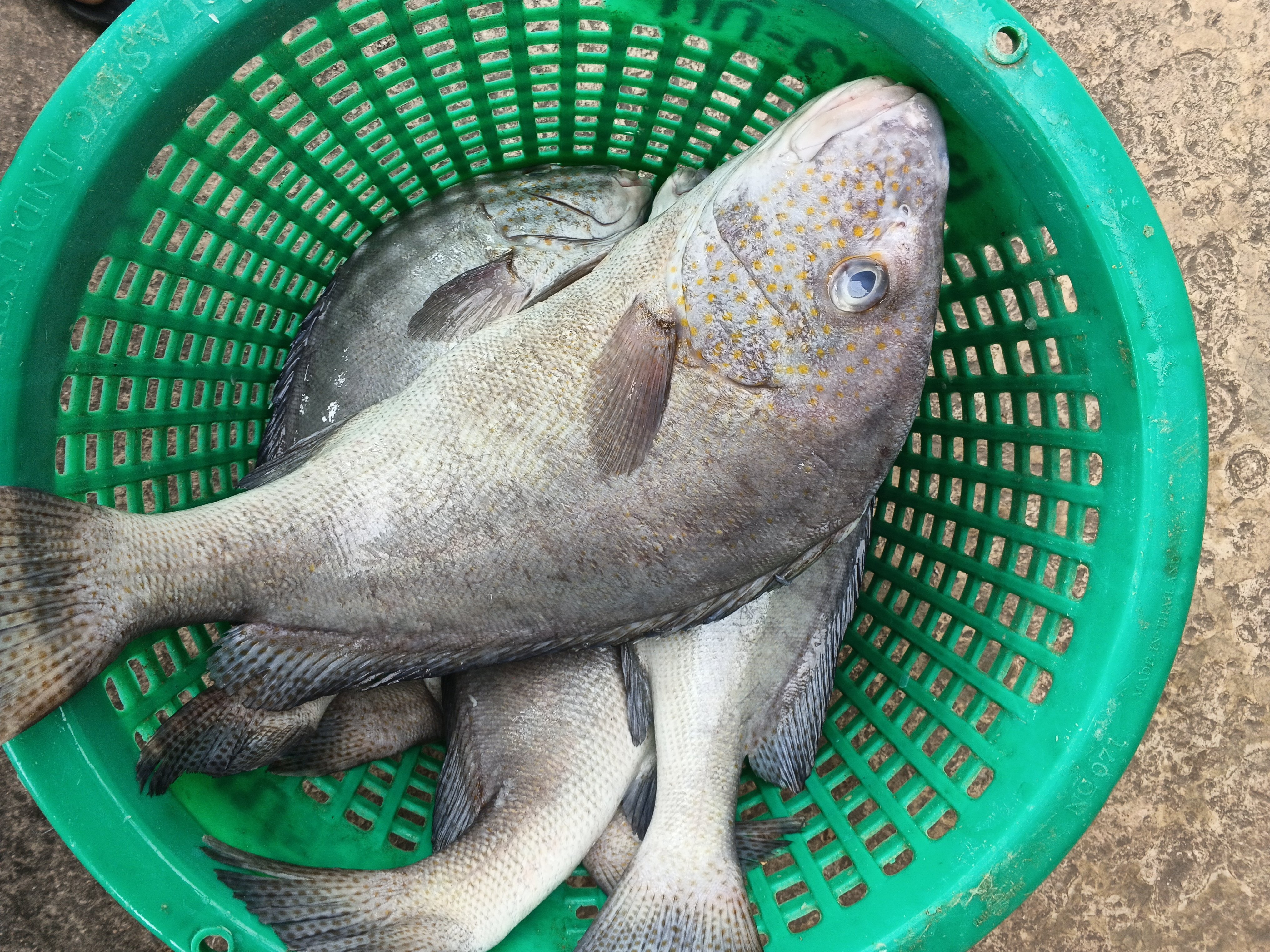
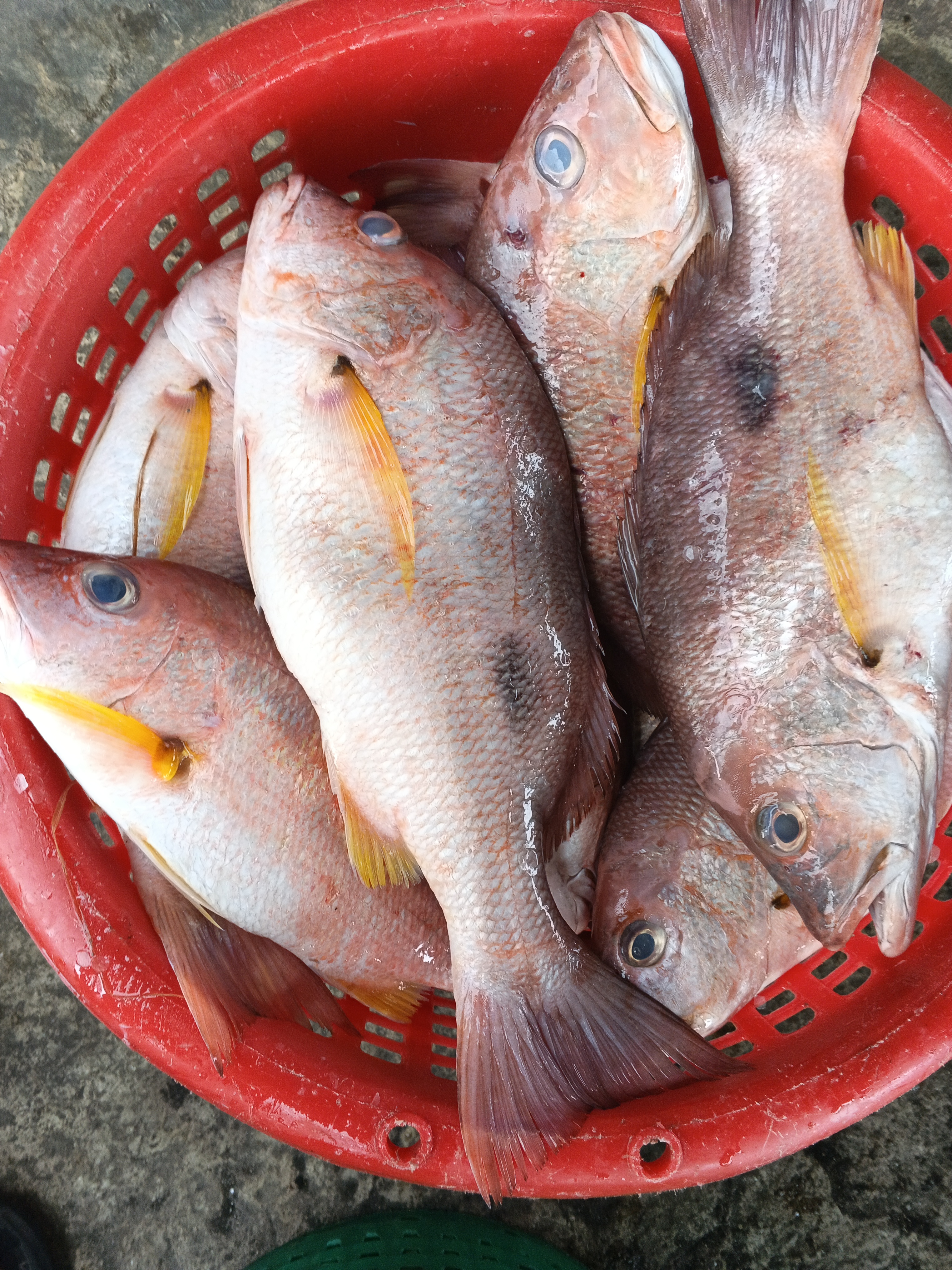
- A total of 53.8kg of fish was landed off Pran Buri: Painted sweetlips (16.5kg), Russell's snapper (25kg), Yellowtail fusilier (1.3kg), and Pink Ear Emperor (10.5kg).
- The fish were processed and blast-frozen within standard timeframes after purchase.
- All fish were handled with immediate chilling and rapid freezing protocols to preserve their condition.
Pran Buri Landing: Four Species Recorded
On July 1, 2026, a catch was made off Pran Buri. This batch included Painted sweetlips weighing 16.5kg, Russell's snapper at 25kg, Yellowtail fusilier at 1.3kg, and Pink Ear Emperor weighing 10.5kg. The combined weight for this landing was 53.8kg. These fish were sourced from the waters near Pran Buri, a town located about 20 minutes by car from Hua Hin.
I was present at the port to document the catch. The conditions at the time of landing were noted. My focus is on recording the factual data associated with each catch, from the moment it is brought ashore to its processing. I photographed the fish at the port to record their condition before processing.
Detailed Weights of the Day's Catch
The Painted sweetlips weighed 16.5kg. Russell's snapper, the largest of the day's haul, weighed in at 25kg. The Yellowtail fusilier was a smaller specimen, weighing 1.3kg. The Pink Ear Emperor contributed 10.5kg to the total. These individual weights contribute to the overall record of the day's fishing activities in Pran Buri.
I photographed the fish upon arrival at the port. The images show the fish as they were presented after being brought in from the sea. Accurate weight recording is a fundamental part of my process.
Handling Process: From Port to Freezer
After catch, the fisherman ice-stuns on the boat. Within 10 minutes of purchase at the port, we arrive at the processing facility, cut into sashimi fillets, vacuum-pack, and blast-freeze. This procedure is applied consistently to ensure the condition of the fish.
The fish are moved from the port to our facility without delay. Once at the facility, the process involves preparing the fish for immediate freezing. This rapid handling is crucial for maintaining the integrity of the fish after it has been caught.
Blast Freezing Protocol
The fish are blast-frozen at temperatures between -30℃ and -60℃. Following freezing, the fish are stored at a consistent temperature of -30℃. This protocol is applied to all fish handled by GYOTAK to preserve them effectively.
The rapid freezing process aims to stop the degradation of the fish tissue immediately after preparation. Maintaining a stable storage temperature is equally important for long-term preservation. This controlled environment is maintained at our Pran Buri facility.
My Perspective on This Catch
Each catch represents a specific moment in time, documented with data. The records from this Pran Buri landing – the weights, the species, and the processing times – form part of a larger dataset. My role involves meticulously recording these details. The goal is to provide clear, factual information about the fish that are brought in and processed here. The final judgment on the fish is left to the consumer. Information about purchasing is available in our online shop. I present only the facts obtained from the field.