Key Takeaways
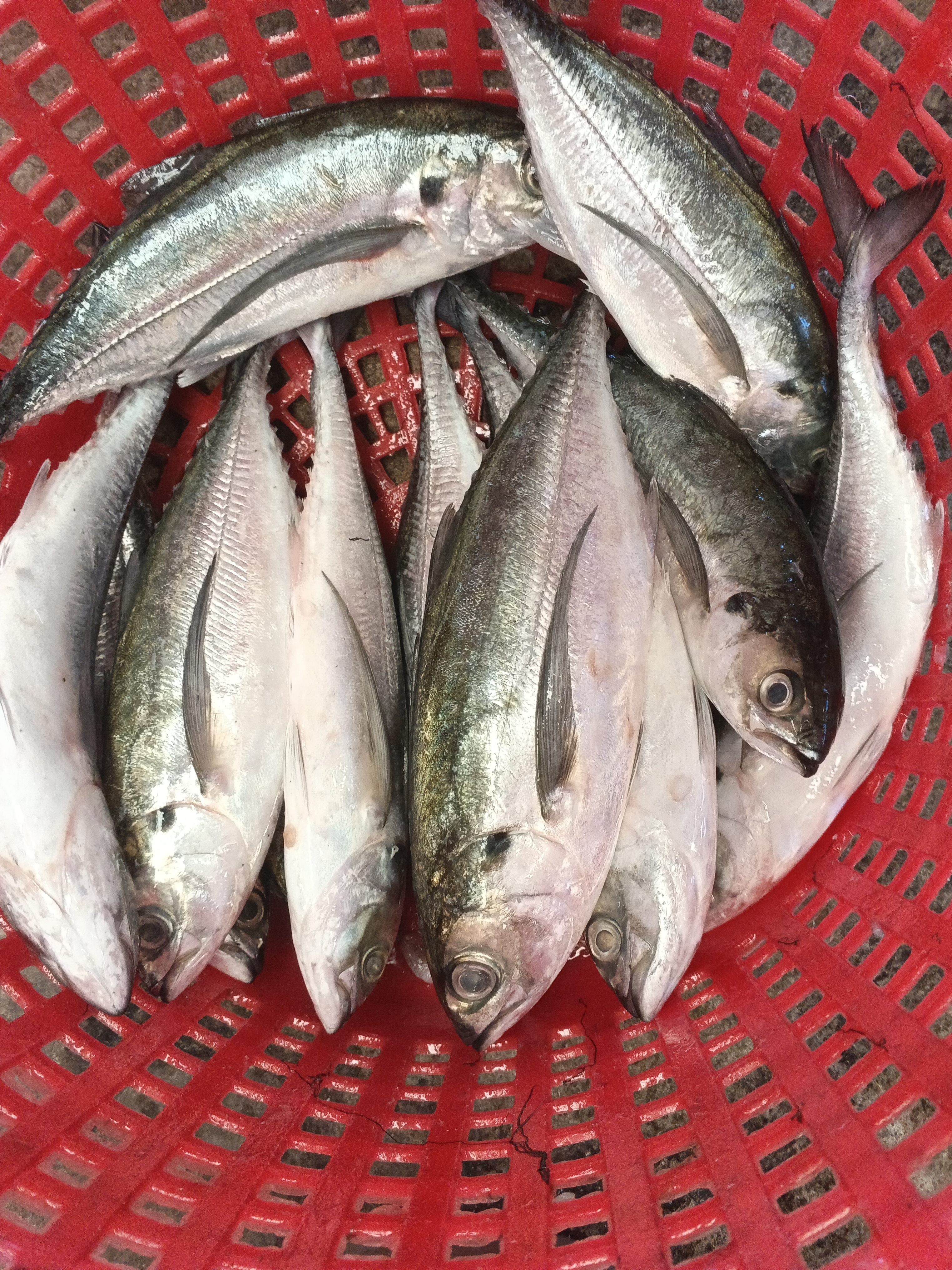
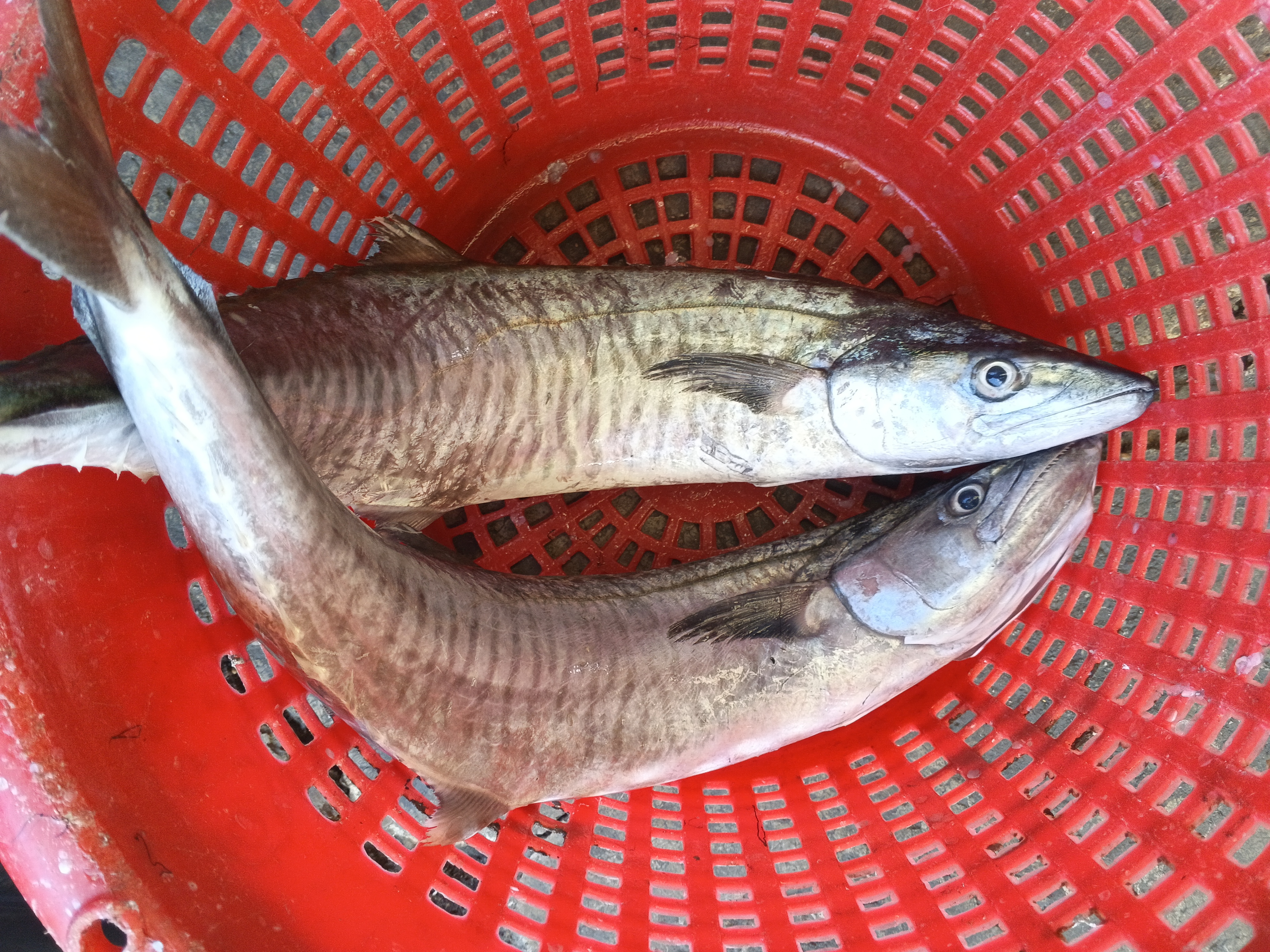
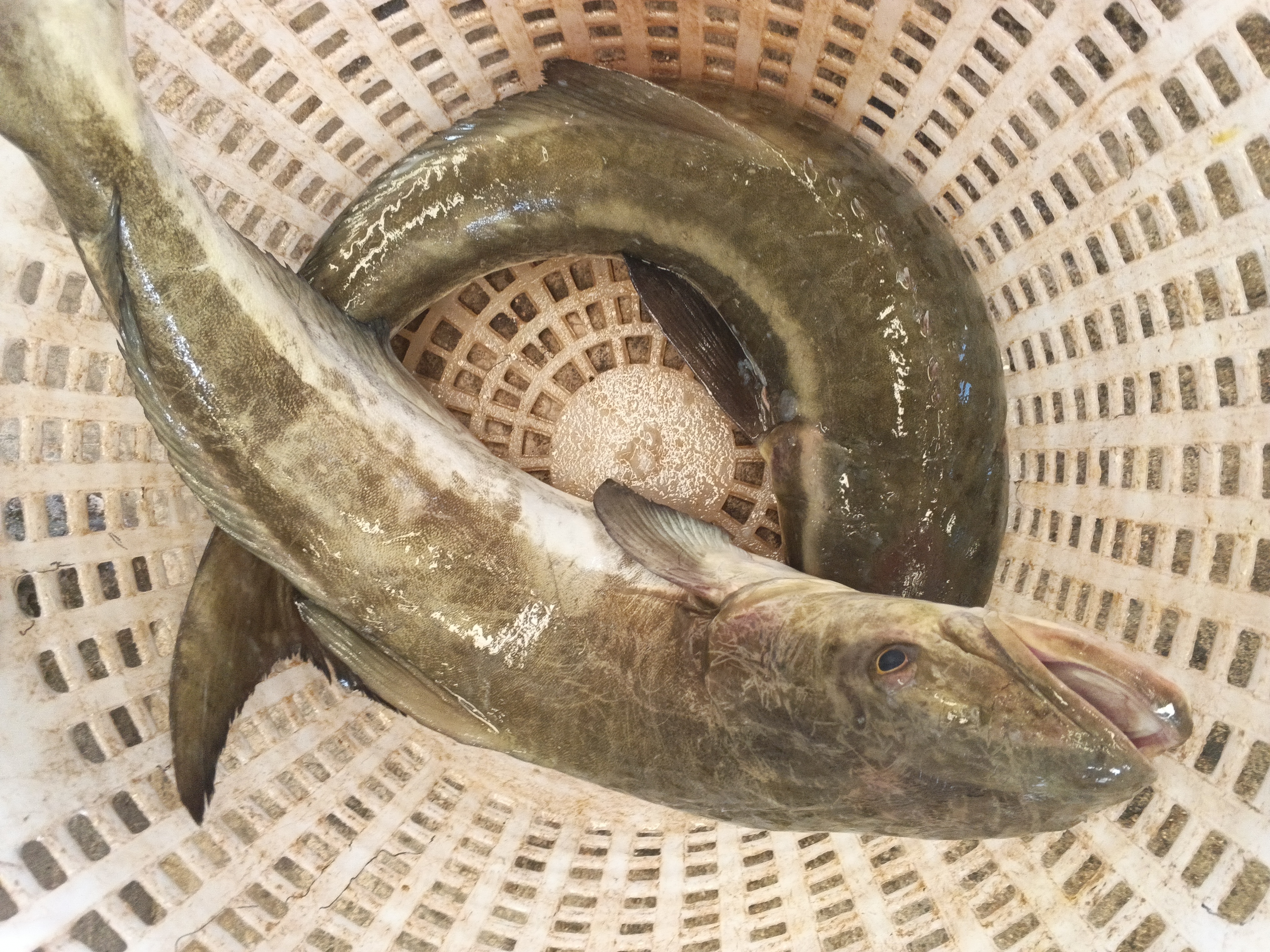
- We processed an 8kg Cobia, a 5kg Torpedo Scad, and a 5.4kg Spanish Mackerel from Pran Buri. 💪
- The fish were moved quickly from the port to our processing facility.
- Rapid freezing ensures the fish are stored at -30℃.
- I am actively involved in the physical work of receiving and processing these catches. 💪🏻
- As the processing and procurement specialist, I'm focused on quality control. 💪🏼
Catch Report from Pran Buri 💪
Today was a solid day down at the port in Pran Buri, which is about 20 minutes by car from Hua Hin. My main gig here is handling the fish after they're landed, making sure everything is processed right. It’s a lot of physical work, but it’s crucial for delivering good products. 💪🏻 I was there to receive a few different types of fish today. The total weight of the catch I handled was impressive. We secured an 8kg Cobia, a 5kg Torpedo Scad, and a 5.4kg Spanish Mackerel. Seeing these fish come in is always a powerful moment. 💪🏼
Inspecting the Catch 💪🏻
When the fish arrive at the port, I’m right there to check them over. My job means I’m directly involved in the physical handling, making sure the fish are in good condition from the get-go. Seeing the Cobia, Torpedo Scad, and Spanish Mackerel laid out, I could tell they were handled well by the fishermen. I took photos right there at the port to document their condition upon receipt. This hands-on approach is how I work. 💪🏽
The Handling Process: From Port to Facility
After the initial inspection and photos at the port, the next critical step is getting the fish to our processing facility. The fishermen do their part by icing the fish on the boat. Once we purchase the fish at the port, we move incredibly fast. The goal is to minimize any delay between the port and our facility. This rapid transfer is key. I am always present to oversee and participate in this part of the process. It’s heavy lifting, but necessary. 💪🏿
After catch, the fisherman ice-stuns on the boat. Within 10 minutes of purchase at the port, we arrive at the processing facility, cut into sashimi fillets, vacuum-pack, and blast-freeze.
Processing and Rapid Freezing
Once we are at the processing facility, my team and I get to work immediately. We process the Cobia, Torpedo Scad, and Spanish Mackerel into sashimi fillets. This involves careful filleting to maintain the integrity of the fish. After filleting, the fish are vacuum-packed. The next step is rapid freezing. This process is essential for preserving the condition of the fish. We use a blast freezer that brings the temperature down quickly. This rapid freezing locks in the quality. The fish are then stored at a consistent temperature. We maintain a storage temperature of -30℃. The blast freezing itself happens between -30℃ and -60℃.
My Role: The Muscle Behind GYOTAK 💪
As the person in charge of processing and procurement, I'm on the ground, doing the physical work. I support先輩KO by handling the heavy tasks and learning all the skills involved. Seeing the fish come in, processing them, and ensuring they are frozen correctly is my daily routine. It requires strength and attention to detail. I am proud to be part of the GYOTAK BOYS, contributing to the delivery of these wild-caught fish. 💪🏻 It’s a demanding job, but seeing the final product ready for distribution makes it all worthwhile. I am constantly growing my skills under先輩KO’s guidance, and I actively participate in all aspects of the physical labor involved. 💪🏼
The Journey Continues
Each fish we handle has a story, starting from its catch in Pran Buri. My job is to ensure that story continues with quality and integrity through processing and freezing. The Cobia, Torpedo Scad, and Spanish Mackerel handled today are no different. They represent the effort from the fishermen and our team’s dedication. I look forward to the next catch and the next opportunity to put my strength and skills to work. 💪🏽
You can check current availability via LINE.