✍️ Takuya Ogura
Key Takeaways
8kg of Kuro-kampachi was sourced off the coast of Prachuap Khiri Khan.
It was placed in a freezer at -30 to -60°C within 10 minutes of landing.
Freshness was recorded with GPS and temperature logs.
Rapid processing at the site is key to quality control of wild-caught fish.
Fishing Record off Prachuap Khiri Khan
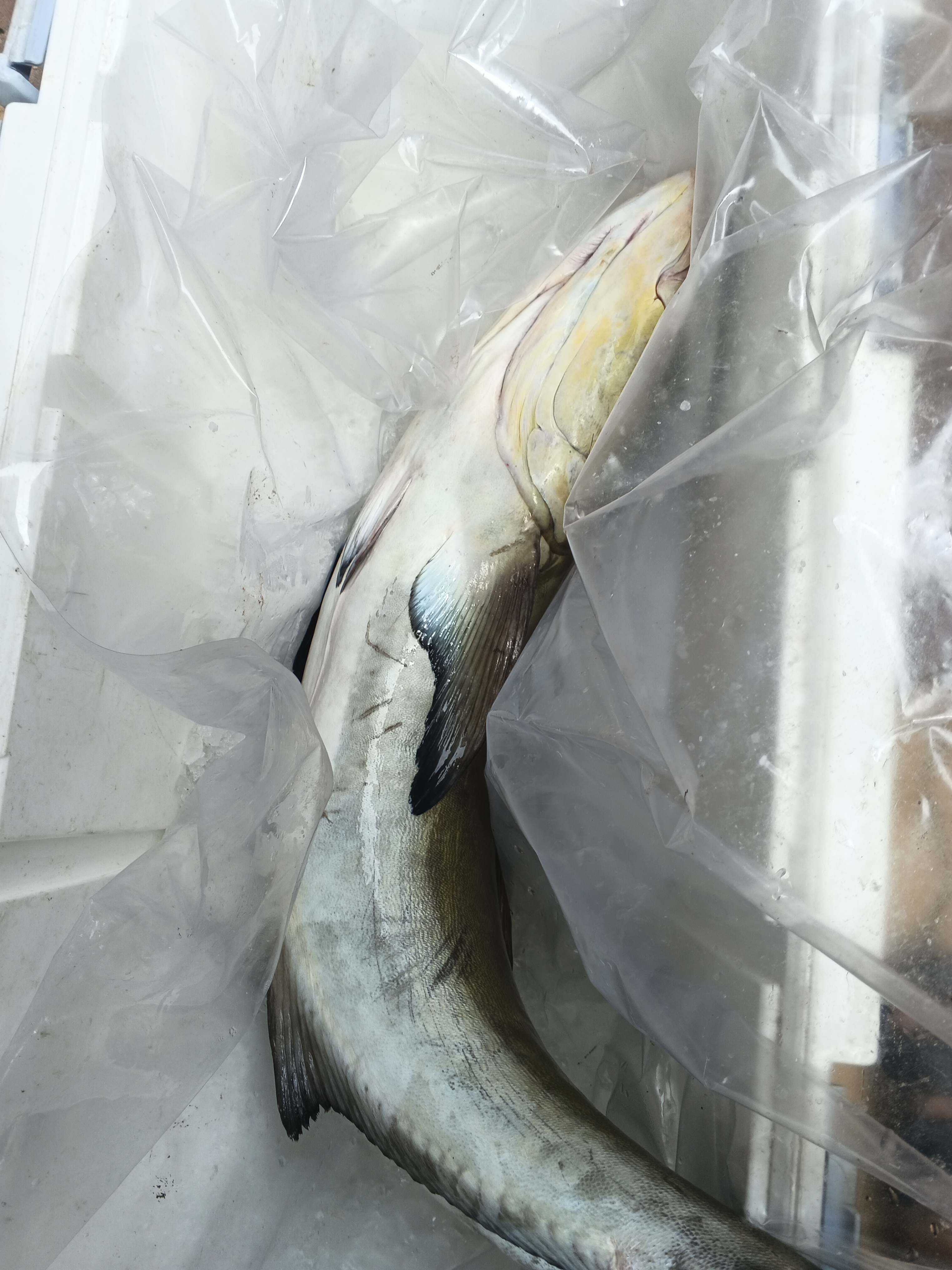
This morning, Kuro-kampachi was caught off the coast of Prachuap Khiri Khan. This individual weighed 8kg. Upon arrival at the port, the fish were visually inspected. The quality of the flesh, color, and fat content in the abdomen were recorded. This fish is wild-caught, having grown in the natural environment of the Gulf of Thailand. Prachuap Khiri Khan is a quiet town about a 20-minute drive from Hua Hin, but it is blessed with rich fishing grounds.
Swift Coordination from Landing to Processing
After purchasing at the port, the fish were quickly transported to the processing facility. The time from landing to arrival at the processing facility was 10 minutes. This short processing time is crucial for maintaining the freshness of wild-caught fish. At the processing facility, the fish were filleted for sashimi and vacuum-sealed. This series of operations must be performed as quickly as possible to maintain the condition of the fish.
Quick Freezing at -30 to -60°C
The vacuum-sealed Kuro-kampachi were immediately placed in a quick-freezing unit. The temperature in the freezer was set at -30°C. By freezing rapidly at this temperature, damage to the fish's cellular structure is minimized. This reduces drip upon thawing and preserves the original flesh quality. The freezing temperature is managed between -30°C and -60°C.
Freshness Verification with GPS and Temperature Logs
The process from catching to processing and freezing this time was recorded with GPS and temperature logs. The time of photography at the port, arrival time at the processing facility, and the time of placement in the freezer were recorded. These data serve as proof of quality control. Customers can verify under what conditions the fish were handled through these records.
The Flow Until It Reaches the Store
After landing, fishermen ice the fish on the boat. After purchase at the port, the fish arrive at the processing facility within 10 minutes, are filleted into sashimi, vacuum-sealed, and then quick-frozen. Storage temperature is -30 to -60°C, and quick-freezing temperature is -30 to -60°C. By thoroughly managing this entire process, the fish are delivered to the customer while maintaining their freshness.
My Perspective
The quality of wild-caught fish depends on split-second decisions and rapid processing from the moment it's caught until it reaches the dining table. The feeling of seeing the fish at the port of Prachuap Khiri Khan, the efficiency at the processing facility, the numbers on the freezer thermometer. All of these are records of my work. This Kuro-kampachi will also be delivered with such records. The decision to eat it, I leave to you who receive it.