✍️ Takuya Ogura
Key Points
On May 25, 2026, a total of 46.5kg of fish were procured from Prumlee.
Off Prumlee, we sourced:
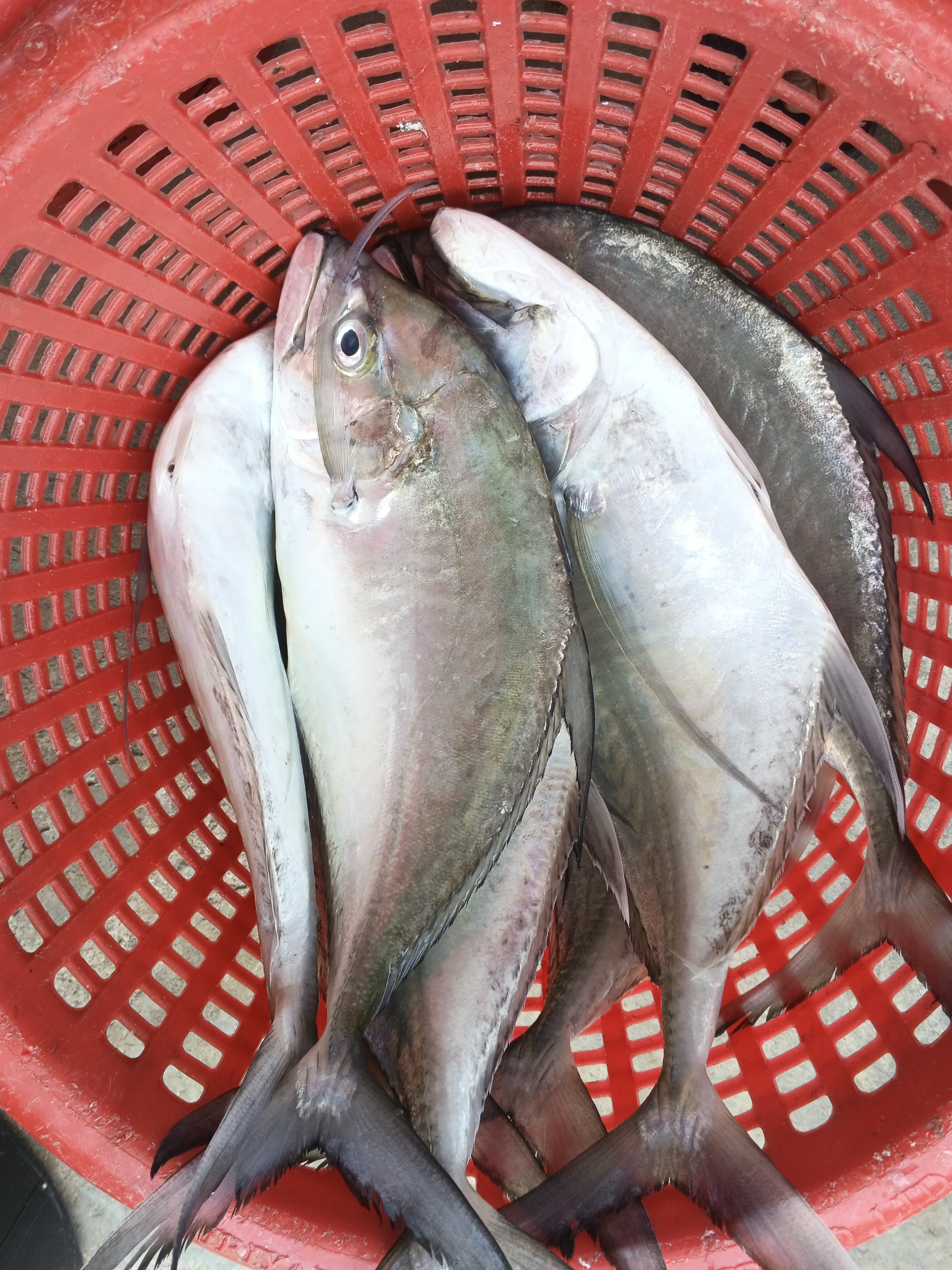
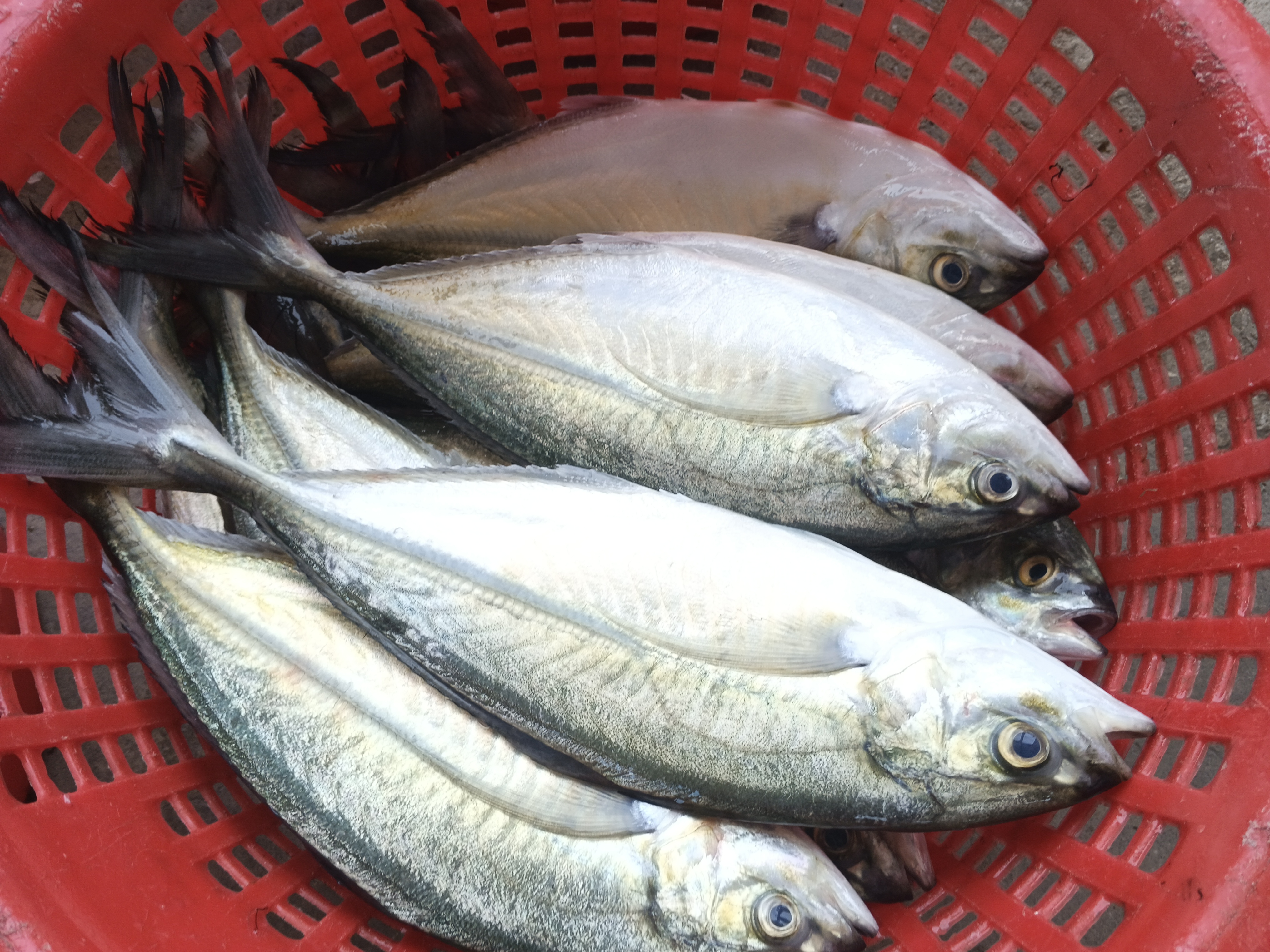
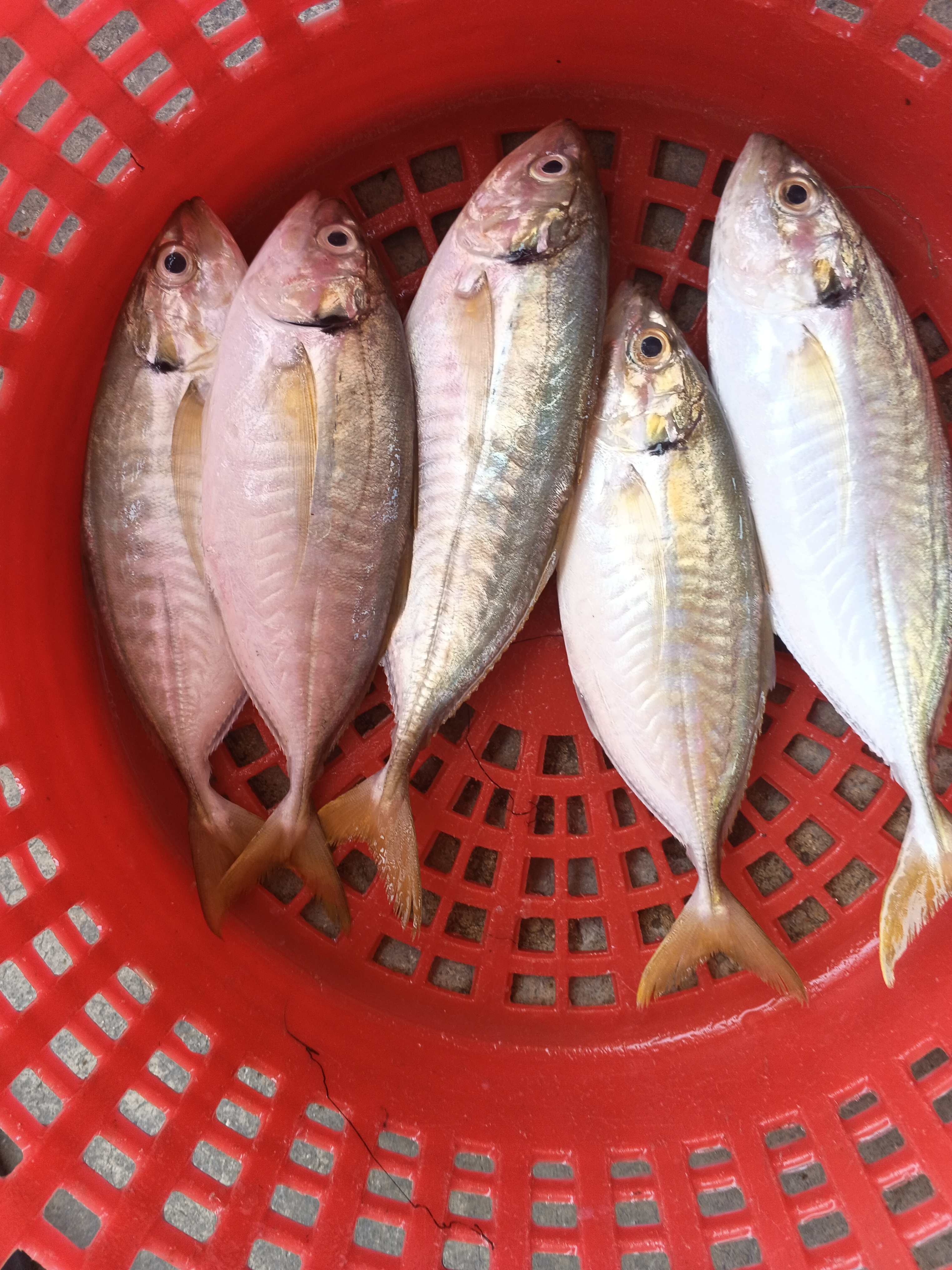
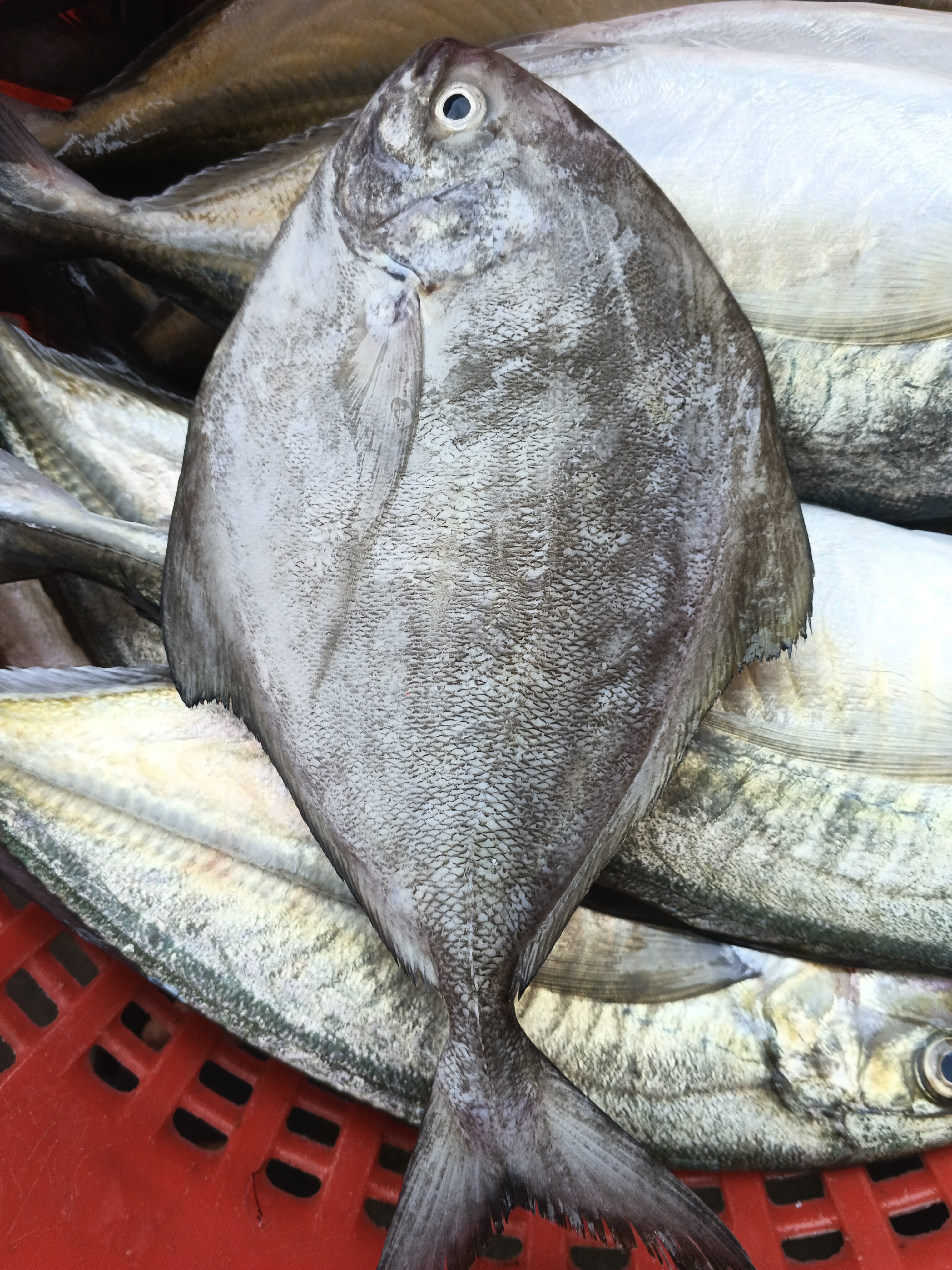
• 11kg of Amberjack
• 14kg of Striped Trevally
• 11kg of Unicornfish
• 0.5kg of Jackfish
• 1kg of Horse Mackerel
Records indicate the fish were processed and flash-frozen within hours of being landed.
All fish were handled following standard rapid cooling and freezing procedures.
Prumlee Catch Details: May 25, 2026
On May 25, 2026, the waters off Prumlee yielded a diverse catch. This report details the species procured and the subsequent handling process. We sourced Amberjack, Striped Trevally, Unicornfish, Jackfish, and Horse Mackerel. The total weight of the catch for the day was 46.5kg.
Specifically, 11kg of Amberjack was procured. In addition, 14kg of Striped Trevally was received. Another 11kg of Unicornfish was acquired. A smaller quantity of 0.5kg of Jackfish and 1kg of Horse Mackerel completed the day's procurement.
Handling Process: From Port to Freezer
Our process begins the moment the fish are landed. After the catch, fishermen ice the fish on board. Within 10 minutes of purchase at the port, they arrive at our processing facility for filleting, vacuum sealing, and flash-freezing. This rapid sequence of actions is crucial for preserving the fish's freshness.
Upon arrival at our facility, located approximately 20 minutes by car from Hua Hin, the fish are inspected. Here, they are transformed into sashimi-grade fillets. This involves precise cuts to meticulously remove bones and skin, preparing them for packaging. Each fillet is then vacuum-sealed individually to prevent oxidation and maintain quality.
Following vacuum sealing, the fillets are immediately transferred to a blast freezer. This process rapidly lowers the temperature of the fish. Our blast freezers operate between -30°C and -60°C. This ensures the fish freeze quickly, minimizing damage to their cellular structure.
Temperature and Time Records
Precise temperature control is at the core of our operations. While specific timestamps for every step are recorded internally, the critical factor is the speed of transition from catch to frozen state. The goal is to minimize the time the fish spend in the "danger zone" of temperatures.
Our records show that the catch on this May 25th moved swiftly through the handling stages. From the point of purchase at the port, the fish arrived at our processing facility within minutes. The entire process, from landing to being placed in the blast freezer, was completed within hours.
The blast freezing process itself is designed to rapidly bring the core temperature of the fish down to below -30°C. This is achieved by circulating air at very low temperatures, between -30°C and -60°C, within the freezer. Once frozen, the fish are transferred to a holding freezer where the temperature is maintained at -30°C.
Fish Details and Weights
The specific fish procured on this day represent a variety of species found in the waters off Prumlee. Each species possesses its unique characteristics, and our handling process is tailored to accommodate them.
The 11kg of Amberjack represents a substantial catch. A total of 14kg of Striped Trevally also made up a significant portion of the day's intake. Another species acquired was the Unicornfish, weighing in at 11kg. Smaller quantities of Jackfish at 0.5kg and Horse Mackerel at 1kg rounded out the day's offerings.
My View on the Day's Catch
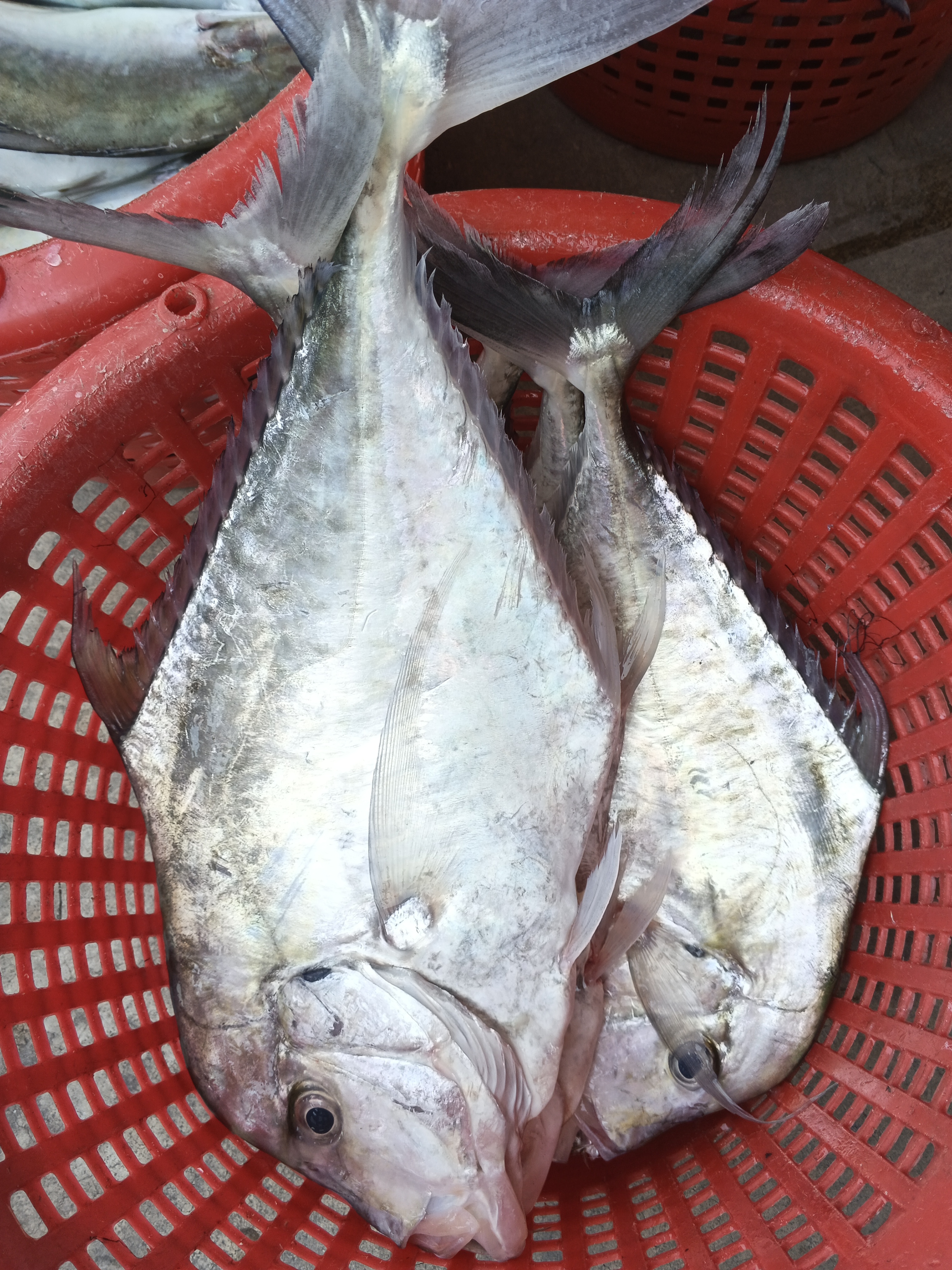
Procurements in Prumlee bring new variables each day. Sea conditions, available fish species, and catch volumes all contribute to the daily operations. My focus is on ensuring the fish are handled correctly at every stage. I have taken photographs of the fish upon arrival at the port and at the processing facility. These images, along with the time and temperature data, form the foundation of traceability. This allows us to track each batch. The aim is to have a clear understanding of how the fish were handled from the moment they were caught until they are ready for distribution.
Our system of on-board icing, rapid transportation, precise filleting, vacuum sealing, and blast freezing is designed to preserve the fish as close as possible to their state when they were in the ocean. Our records, which cover purchase times and temperature logs, are indispensable for this purpose. They provide a verifiable trace of the fish's journey.
I take photographs of the fish upon arrival at the port and at the processing facility. These images, along with the time and temperature data, form the foundation of traceability. This allows us to track each batch. The aim is to have a clear understanding of how the fish were handled from the moment they were caught until they are ready for distribution.
Inventory can be checked in our online shop.