Key Takeaways
- Secured 20kg of Indian threadfish from Pran Buri. 💪
- The fish arrived at our processing facility within 10 minutes of purchase at the port. 💪🏻
- Blast-frozen quickly to maintain condition. 💪🏼
- All handling steps are logged for transparency. 💪🏽
Indian Threadfish Secured in Pran Buri
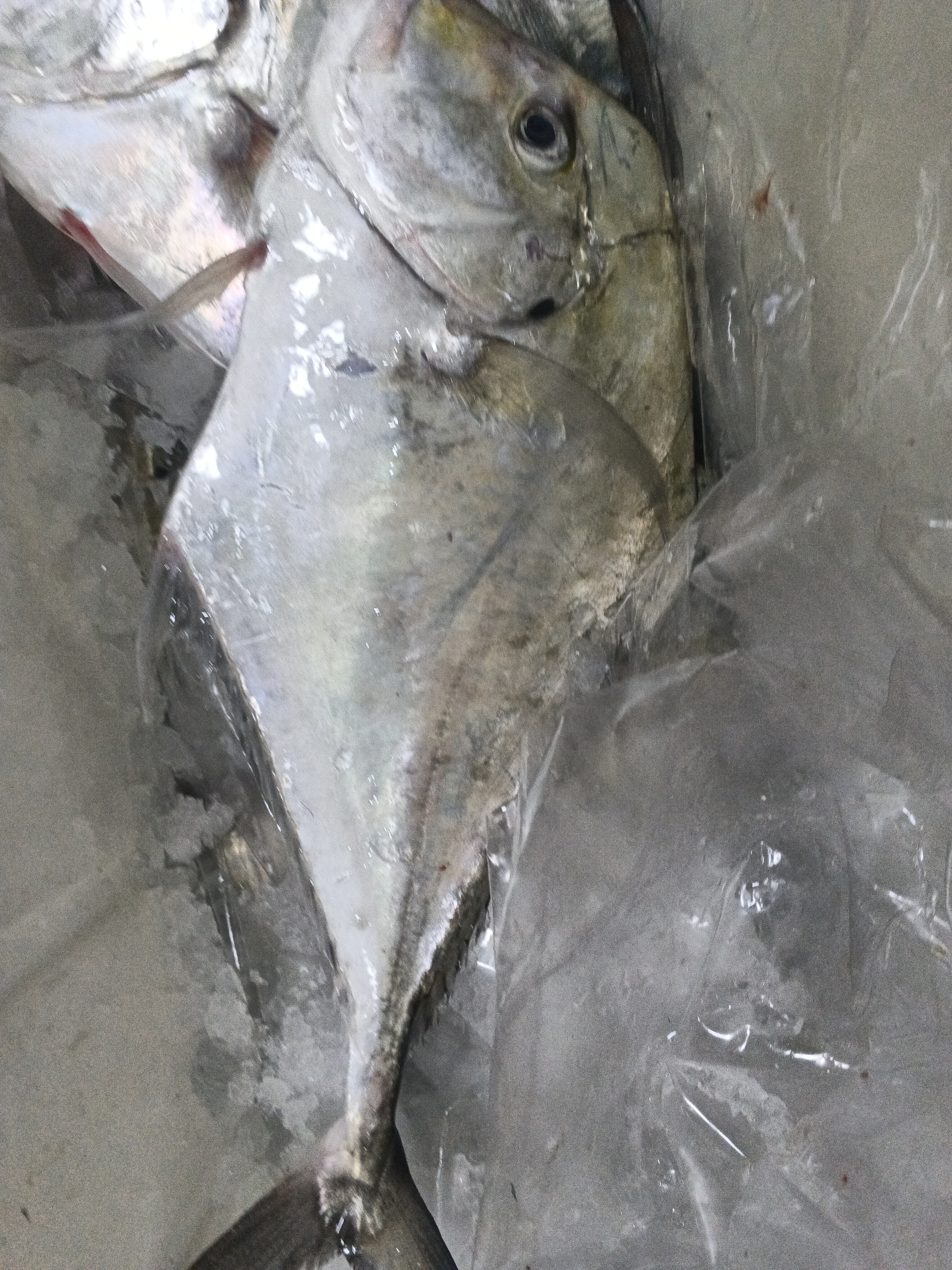
Today, we acquired a 20kg Indian threadfish. This catch came from the waters off Pran Buri, a town about 20 minutes by car from Hua Hin. My job is to handle the procurement and processing, and I'm always focused on making sure the fish get to our facility quickly. 💪🏾
I was at the port to meet the catch. Seeing the fish come in is a key part of my role. It’s important work, and I’m building up my skills every day. 💪🏿
The Journey from Port to Processing
After the catch, the fisherman iced the Indian threadfish on the boat. We purchased it at the port, and I made sure it was on its way to our processing facility immediately. This entire process, from landing to our facility, happens very fast. It's a core part of our operation.
The goal is always to minimize the time between the fish leaving the water and entering our handling process. This rapid transition is crucial. We handle many types of fish, and each one requires careful attention during this stage.
On-Site Processing and Freezing
Once at the facility, the 20kg Indian threadfish was processed. We cut it into sashimi fillets. After filleting, the fish was vacuum-packed. This is done carefully to protect the integrity of the flesh.
The final step is blast freezing. We use specialized freezers to rapidly lower the temperature of the fish. This quick freezing process is designed to preserve the fish's condition. The target temperature range for this is between -30℃ and -60℃.
Maintaining Condition with Fast Freezing
Fast freezing is essential. It helps to prevent the formation of large ice crystals, which can damage the texture of the fish. By bringing the temperature down quickly, we lock in the fish's state at the time of processing.
Our storage temperature is maintained between -30℃ and -60℃ after the initial blast freeze. This consistent, low temperature is key to long-term preservation. It’s a system I am learning and managing closely.
Traceability and Records
Every step is documented. We record the time of purchase at the port and the time of arrival at our processing facility. This information is part of our traceability system. It allows us to track the fish's journey.
This commitment to recording details is how we build trust. It’s not about making claims; it’s about providing verifiable information. My work involves ensuring these records are accurate. I am growing my skills in this area, supporting the seniors. 💪
My Role in Pran Buri
As the person in charge of procurement and processing here in Pran Buri, I see the importance of this work firsthand. It requires physical effort and attention to detail. I am dedicated to learning from my seniors and contributing to GYOTAK.
The Indian threadfish is just one example of the catches we handle. Each fish has its own journey, and my role is to ensure that journey is managed correctly from the moment I acquire it. It’s demanding but rewarding work.
If you are interested in the current availability of fish, you can check our online shop.