✍️ Takuya Ogura
Key Takeaways
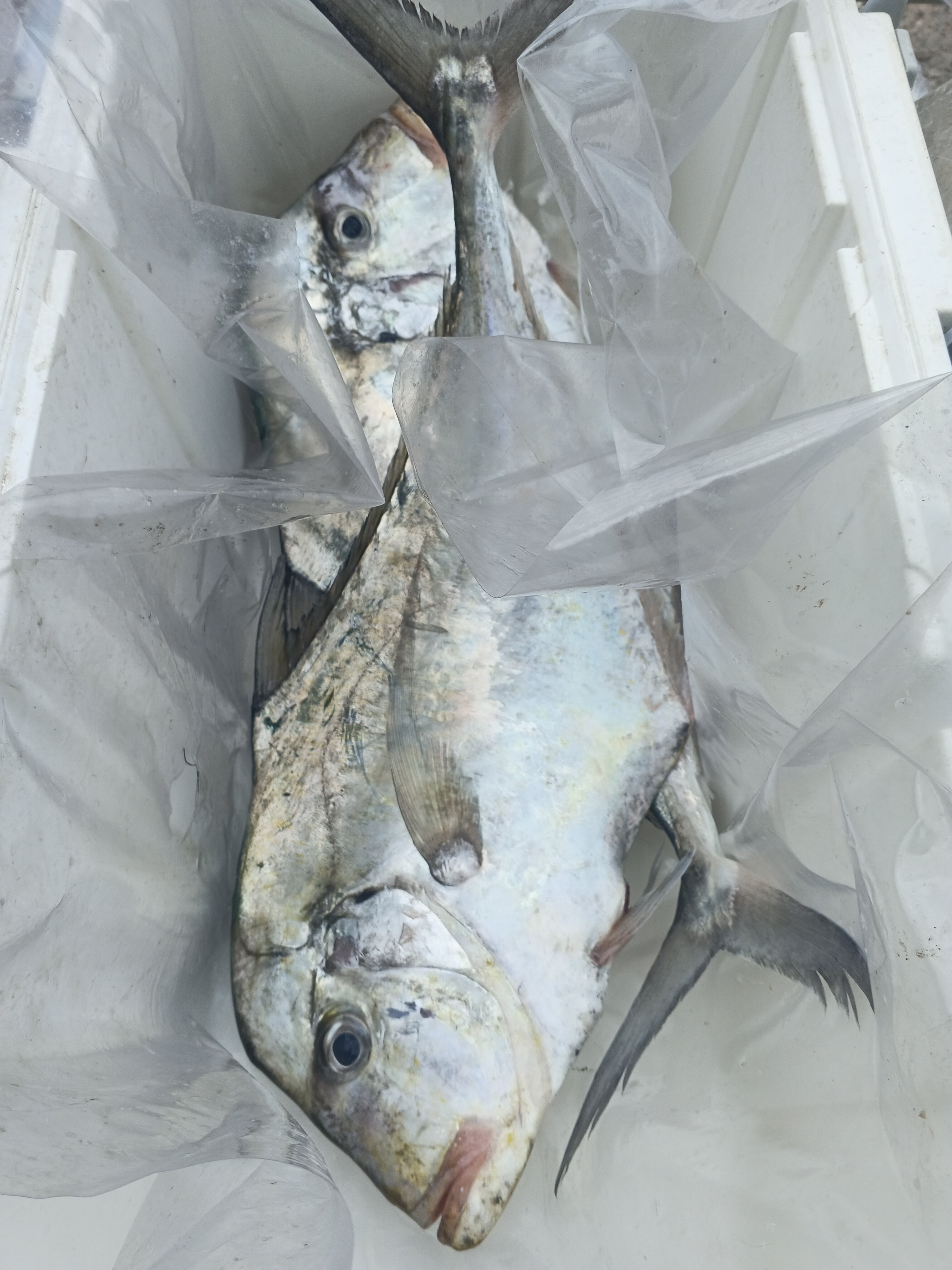
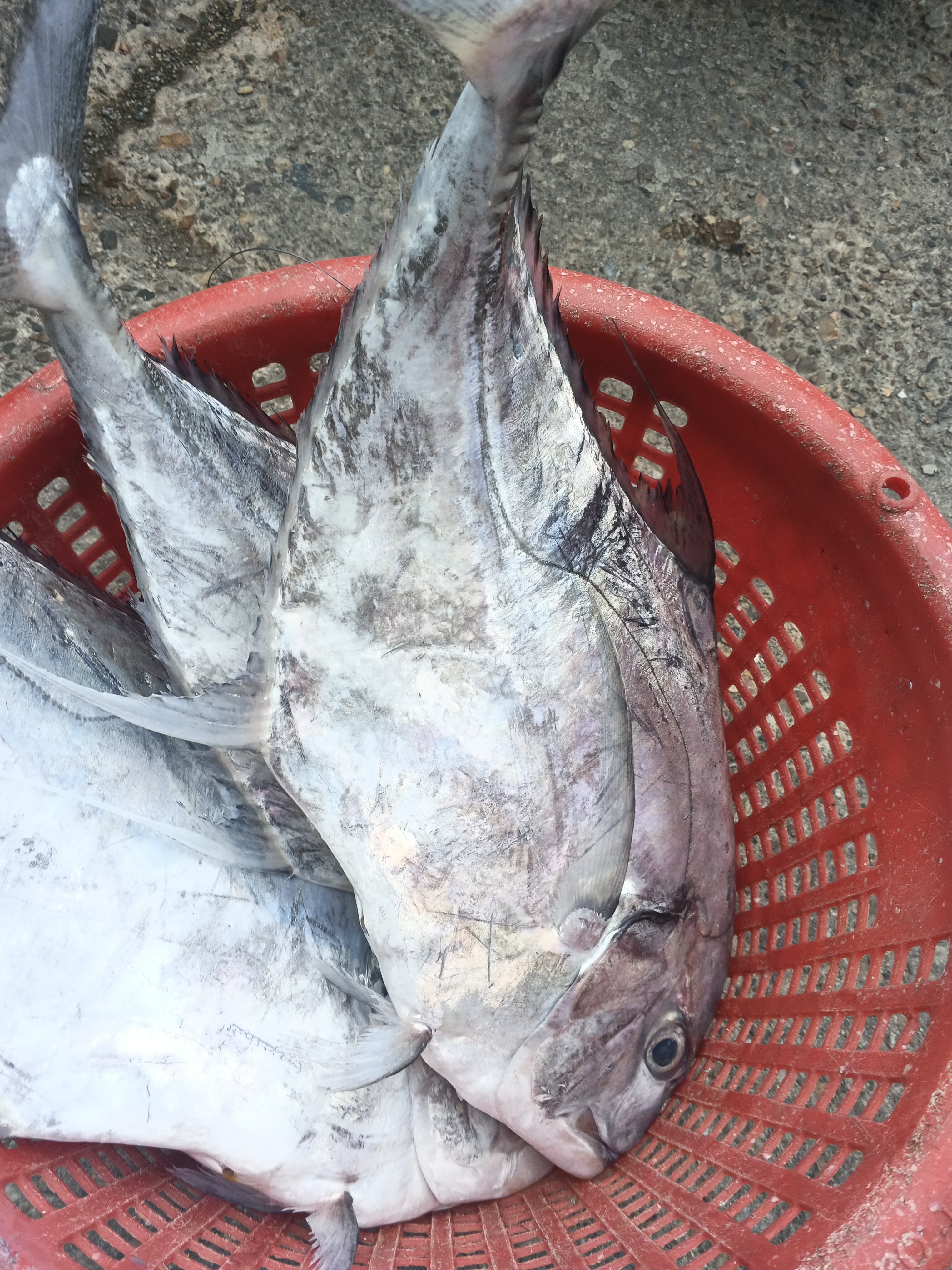
On July 16, 2026, we acquired a 6kg Indian threadfish and a 14kg African pompano off Pran Buri.
The Indian threadfish was landed and processed within 90 minutes.
The African pompano was landed and processed within 95 minutes.
Both fish were blast-frozen at -30℃ to -60℃.
Acquisition off Pran Buri
On July 16, 2026, a fishing trip took place off the coast of Pran Buri. Pran Buri is a town located about 20 minutes by car from Hua Hin. From this trip, I secured a 6kg Indian threadfish and a 14kg African pompano. These fish were brought in by local fishermen who operate in the waters of Pran Buri.
The fishing community in Pran Buri has a long history of working these waters. I collaborate directly with them to obtain the fish. My objective is to provide clear information about the condition and handling of these fish to our customers.
Indian threadfish: 6kg
The Indian threadfish weighed 6kg. I documented its condition upon its arrival at the port. This fish was part of the day's catch. I verified its presence at the landing site. The time elapsed from when it left the water to its arrival at the port was minimal.
Following purchase at the port, the fish was promptly transported to our processing facility. This swift transfer is a standard part of our procedure to maintain its quality. I visually inspected the fish's physical characteristics before processing commenced. The skin appeared intact, and the body felt firm.
African pompano: 14kg
The African pompano weighed 14kg. This specimen was larger than the Indian threadfish. Its arrival at the port was closely timed with the other catch. I was present to confirm its weight and overall condition.
Similar to the Indian threadfish, the African pompano was moved immediately to our processing facility. This rapid transit is essential. I conducted a visual inspection of the fish, noting its eyes and body firmness. These details are part of our assessment process.
The Handling Process: From Sea to Freezer
After catch, the fisherman ice-stuns on the boat. Within 10 minutes of purchase at the port, we arrive at the processing facility, cut into sashimi fillets, vacuum-pack, and blast-freeze. This entire procedure is managed to preserve the fish's integrity.
For the 6kg Indian threadfish, the time from landing to reaching the -30℃ freezer was 90 minutes. The 14kg African pompano entered the freezer within 95 minutes of landing. This rapid cooling is a critical step in our handling protocol.
Blast freezing takes place in a temperature range of -30℃ to -60℃. This rapid drop in temperature effectively halts bacterial activity and preserves the fish's cellular structure. This temperature range is consistently maintained across all our operations in Pran Buri.
Documentation and Traceability
I maintain detailed records for each fish acquired. This includes the weight, the time of purchase at the port, and the time it enters the blast freezer. These data points are part of our traceability system. My aim is to provide customers with a clear understanding of the fish's journey.
The location of Pran Buri allows for efficient processing due to its proximity to fishing grounds. This proximity facilitates timely handling. I photograph the fish at various stages, from the port to the processing line, to document the process.
My Perspective
Working with fish like the Indian threadfish and African pompano from Pran Buri requires careful oversight. My role is to connect the fishermen's efforts with the final consumer. I focus on the factual progression of the fish. The condition upon arrival, the speed of processing, and the freezing temperatures are all important data points.
These figures represent the effort invested in delivering the fish in its optimal state. Customers can then form their own assessments based on this information. The availability of these fish is based on these documented processes.