✍️ KO
Key Takeaways
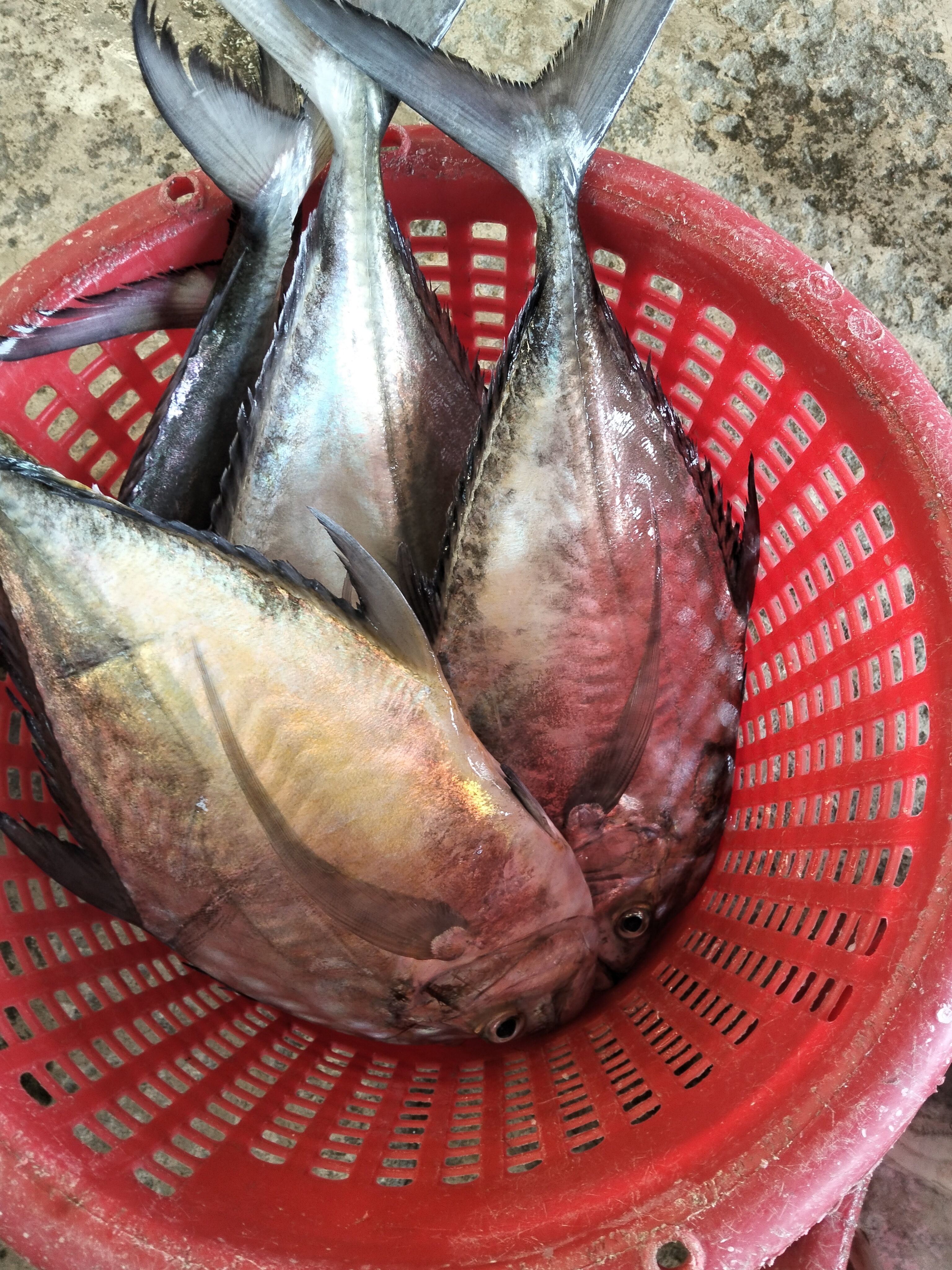
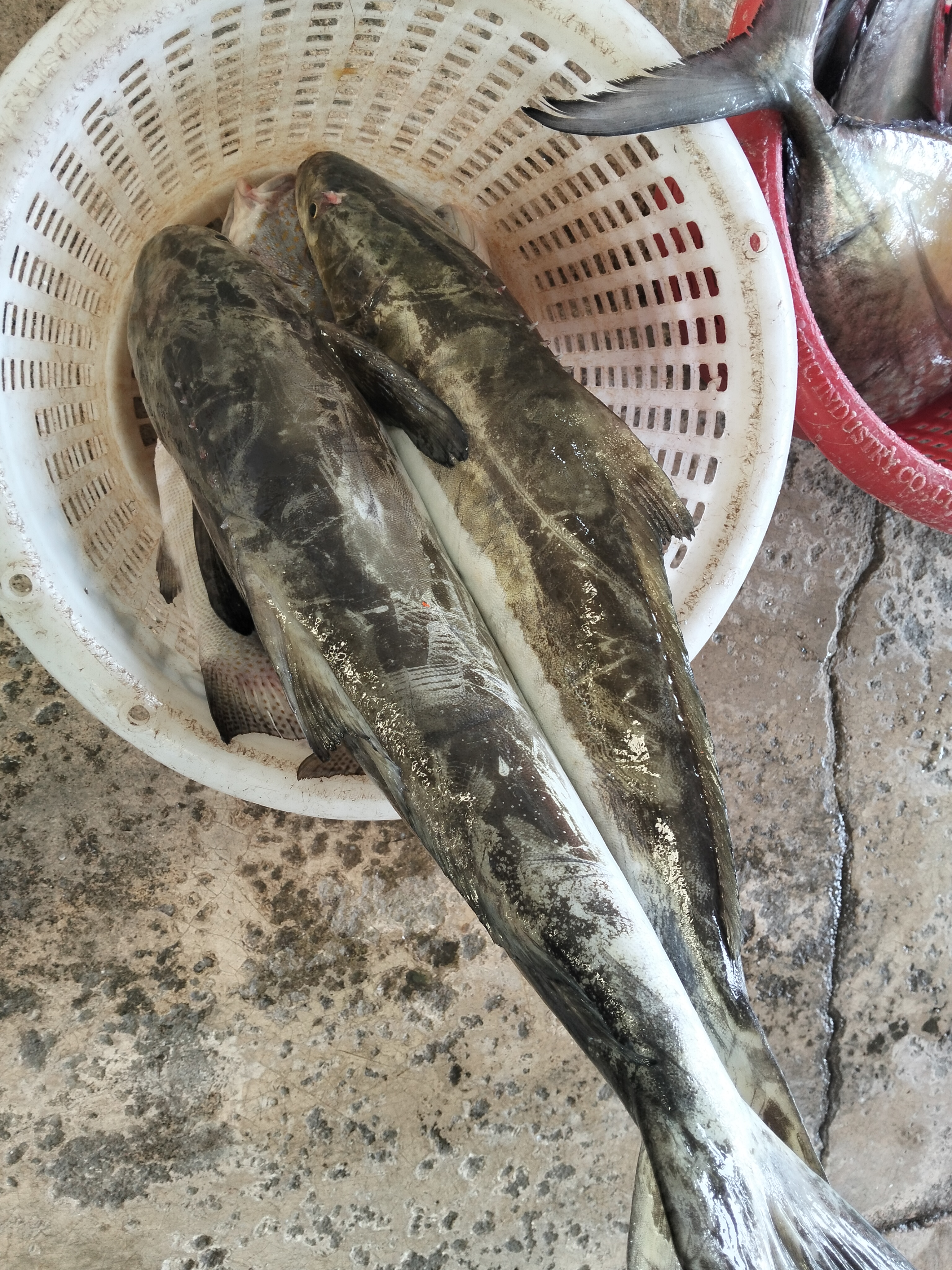
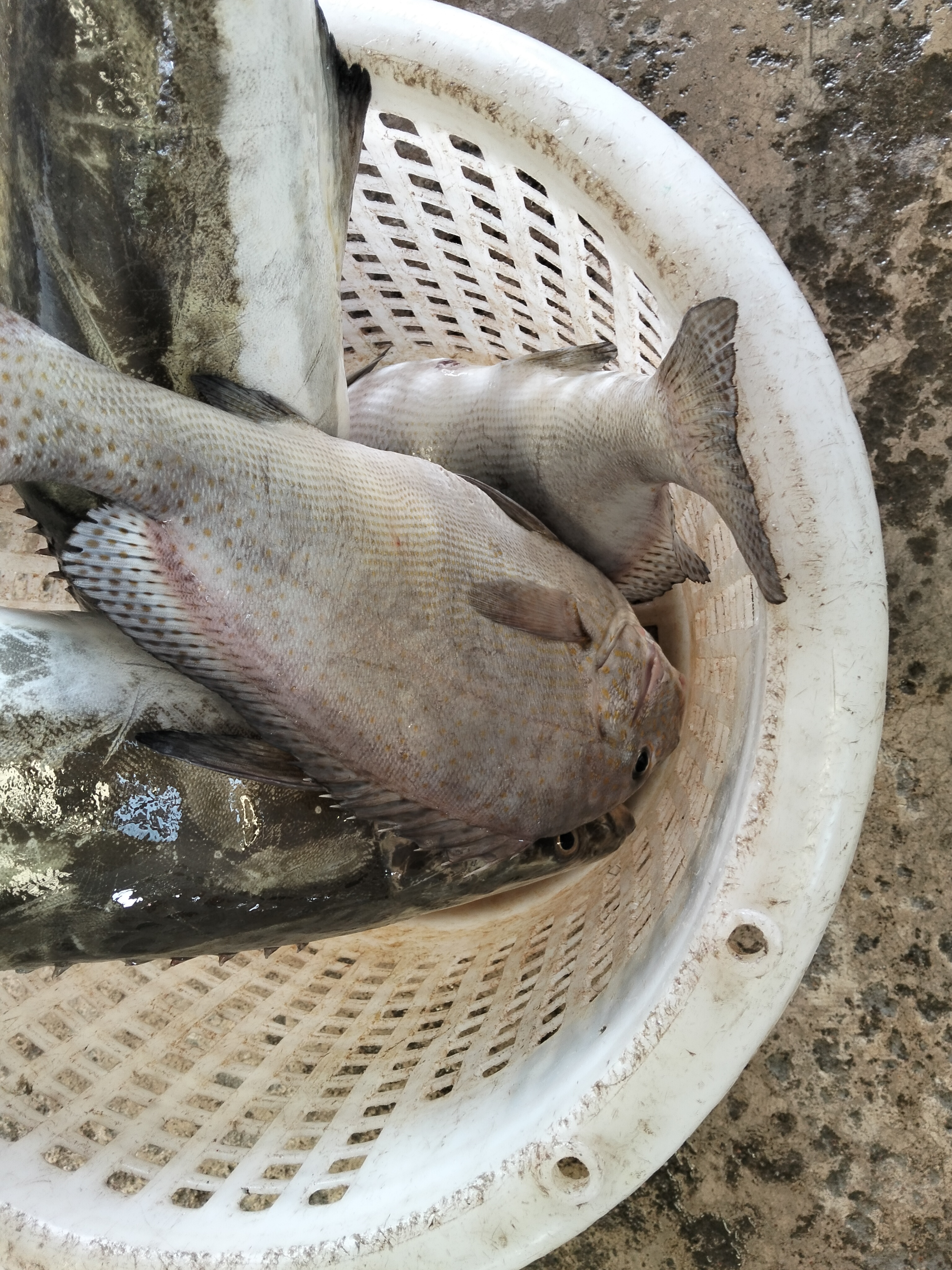
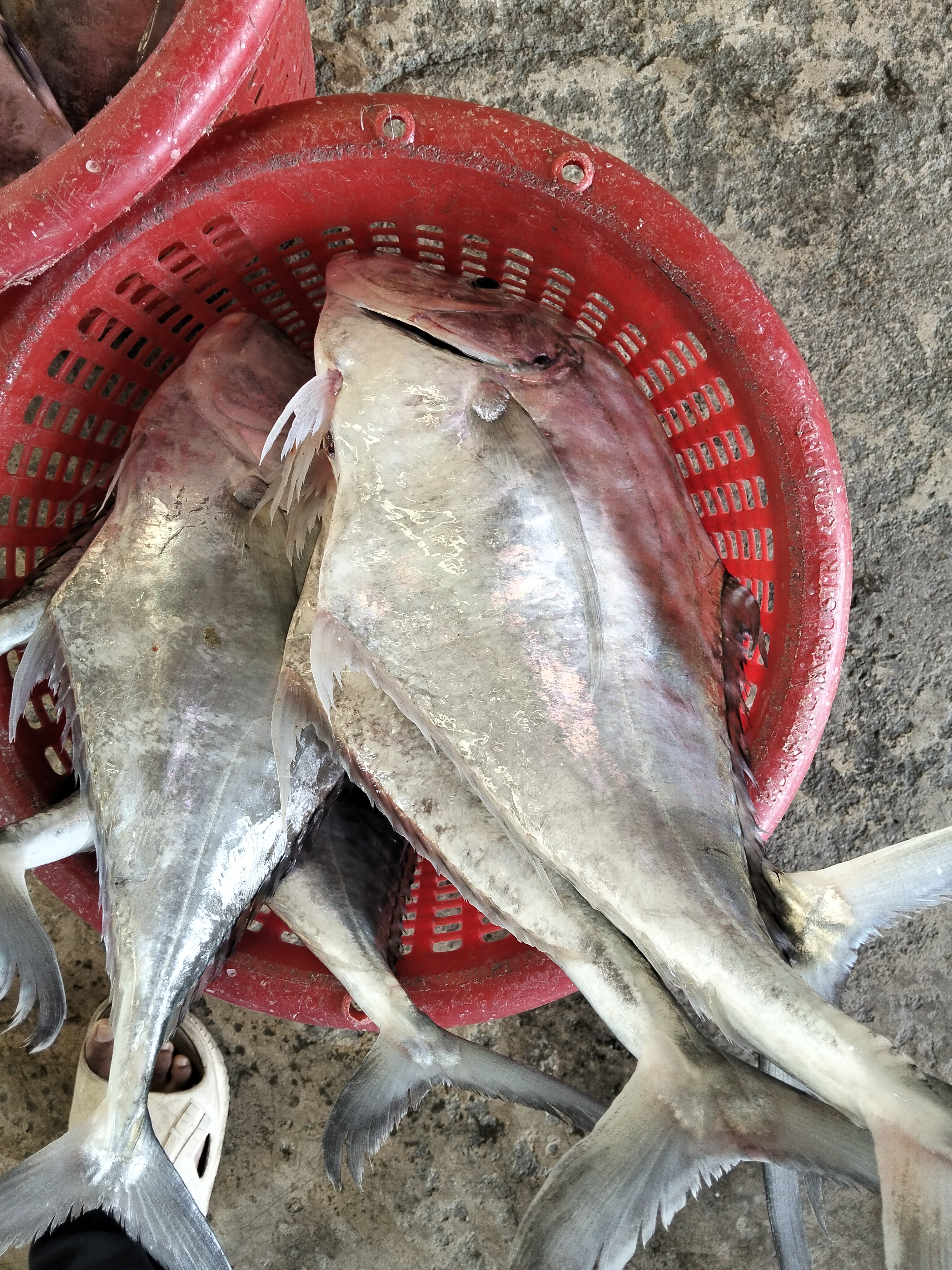
We sourced 6kg of Kodai, 14kg of Kuro Kampachi, 20kg of Umadouraaji, and 12kg of Yoroi Aji from off the coast of Plumtree.
After landing, they were promptly transported to the processing facility and flash-frozen at -30℃ to -60℃.
Sourcing from off the Coast of Plumtree
Today, we sourced fish caught off the coast of Plumtree. At the port, 6kg of Kodai, 14kg of Kuro Kampachi, 20kg of Umadouraaji, and 12kg of Yoroi Aji were landed. (•̀_•́)✨
These fish were caught with great care by the fishermen of Plumtree. I directly inspect the condition of the fish upon arrival at the port to make sourcing decisions. It is important to read the day's conditions from the size and appearance of each individual fish.
Fish Selection and Recording
The fish I sourced this time were all large in size and had firm flesh. When inspecting fish at the port, I always keep in mind the cutting techniques and hygiene management knowledge taught to me by the chairman. I select them not only by their appearance but also by imagining their background and how they were handled.
When sourcing, I record the type of fish, its weight, and information about where it was landed. This is an important process that leads to traceability later on. We accurately record each piece of information to prove the quality of the fish we provide. (≖ ͜ʖ≖)✨
The Process Until It Reaches the Store
After landing, fishermen brine the fish on board. After purchasing at the port, they are quickly transported to the processing facility. At the processing facility, they are processed into sashimi-grade fillets, vacuum-packed, and then flash-frozen in an environment of -30℃ to -60℃. Completing this entire process in the shortest possible time is crucial for maintaining freshness.
In addition to thoroughly implementing the hygiene management taught by the chairman, we also strictly control the temperature of the freezer. By maintaining a temperature range of -30℃ to -60℃, we minimize damage to the fish cells, allowing them to remain in good condition even after thawing.
Processing and Hygiene Management
In the processing area, I use the cutting techniques directly passed down from the chairman to turn the fish into fillets. I carefully process them while considering the direction of the muscle fibers and the amount of fat in each part. The precision of the cut directly relates to the quality of the fish. (•̀_•́)✨
Hygiene management is the most fundamental aspect of processing. The work surfaces, the tools used, and my hands are always kept clean. I use separate cutting boards for different types of fish and thoroughly prevent cross-contamination. I repeatedly convey this to my junior colleagues.
The Importance of Flash Freezing
Flash freezing is the key to maintaining the maximum quality of fish. By freezing them at -30℃ to -60℃ in a short period, the ice crystals formed within the fish's cells become smaller, making it less likely to damage the flesh's tissue. This suppresses the drip (juice) leakage when thawed and locks in the fish's original umami. (✧∀✧)✨
By accurately performing this flash-freezing process, I believe we can deliver the deliciousness of natural fish caught in Plumtree to our customers as is.
My Perspective
Today's sourcing has once again made me appreciate the blessings from the sea of Plumtree. Kodai, Kuro Kampachi, Umadouraaji, Yoroi Aji. I will put all my effort into the processing and freezing process to bring out the full potential and individuality of each one. Faithfully reproducing the techniques and knowledge passed down from the chairman and delivering high-quality fish. That is my mission. ( ͡° ͜ʖ ͡°)✨
You can check current availability in our online shop.