Key Takeaways
A 41kg great trevally was sourced off Plumtree.
After landing, it was promptly purchased at the port and transported to the processing plant.
Following purchase, it was processed into sashimi fillets, vacuum-packed, and flash-frozen at -30 to -60°C.
It has been made trackable with GPS and temperature logs.
Landing Record off Plumtree
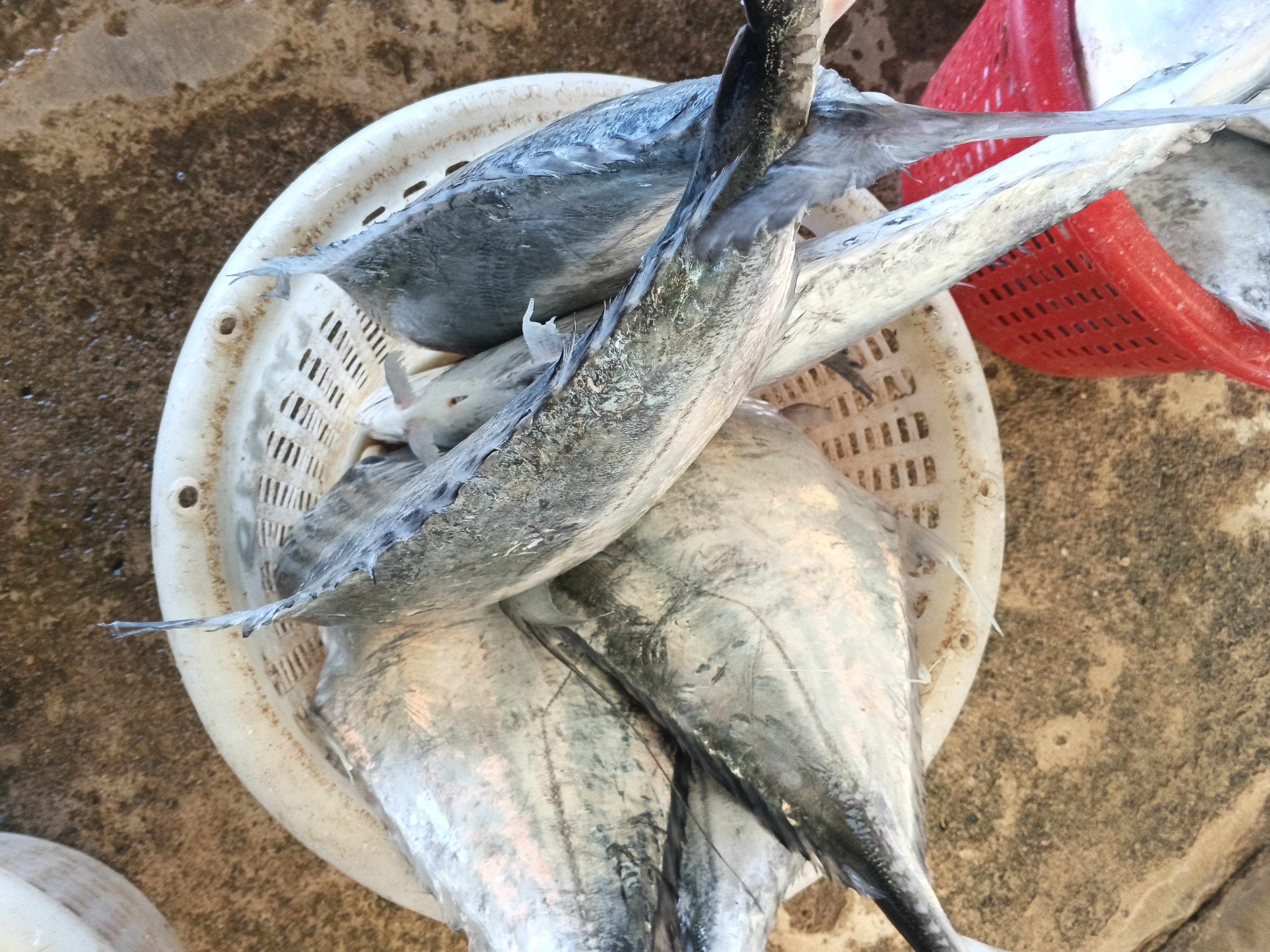
Today, a 41kg great trevally was landed off Plumtree. This fish is a wild-caught specimen from the rich waters of the Gulf of Thailand. Upon arrival at the port, the fish was visually inspected and its condition recorded.
This great trevally requires careful handling commensurate with its size. After purchase at the port, it is promptly transported to the processing plant. This swift action is crucial for maintaining freshness.
Prompt Transport from Port to Processing Plant
The landed fish is purchased directly at the port. After purchase, the fish is immediately transported to the processing plant. This process occurs as quickly as possible from the time the fish comes ashore. Considerable care is taken during transport as temperature control is paramount.
Upon arrival at the processing plant, the condition of the fish is re-inspected. At this stage, work begins to prevent any compromise to the fish's quality. GPS location data and temperature logs during transport commence from this point.
Processing into Sashimi Fillets and Flash Freezing
At the processing plant, the purchased great trevally is processed into sashimi-grade fillets. This processing is done with care, taking into account the texture of the fish. The fillets are then placed into vacuum packs. Vacuum packing is essential to prevent exposure to air and preserve freshness.
The vacuum-packed fillets are immediately placed into a blast freezer. Flash freezing is performed in an environment of -30°C to -60°C. This allows for the long-term preservation of freshness without damaging the fish's cellular structure.
Traceability with GPS and Temperature Logs
At GYOTAK, all wild-caught fish are equipped with GPS and temperature logs. This great trevally is no exception. Its location and temperature changes are recorded from the moment of landing through processing and flash freezing. This record becomes part of the information provided to customers.
This allows for a concrete confirmation of when and where it was caught, and how it was processed and frozen. We believe this is a crucial element in verifying the quality of wild-caught fish.
The Flow Until It Reaches the Store
After landing, the fisherman brine-freezes the fish on board. After purchase at the port, it arrives at the processing plant within 10 minutes, where it is processed into sashimi fillets, vacuum-packed, and flash-frozen. The storage temperature is -30 to -60°C, and the temperature during flash freezing is -30°C to -60°C.
My Perspective
A 41kg great trevally is truly a gift from the sea. I want to deliver this large fish in the best possible condition. Prompt action at the port, careful processing at the plant, and flash freezing at -30 to -60°C. All of this is my work to protect the quality of wild-caught fish. GPS and temperature logs are tools to make the process transparent and a testament to my reliability.
You can check current availability in our online shop.