Key Takeaways
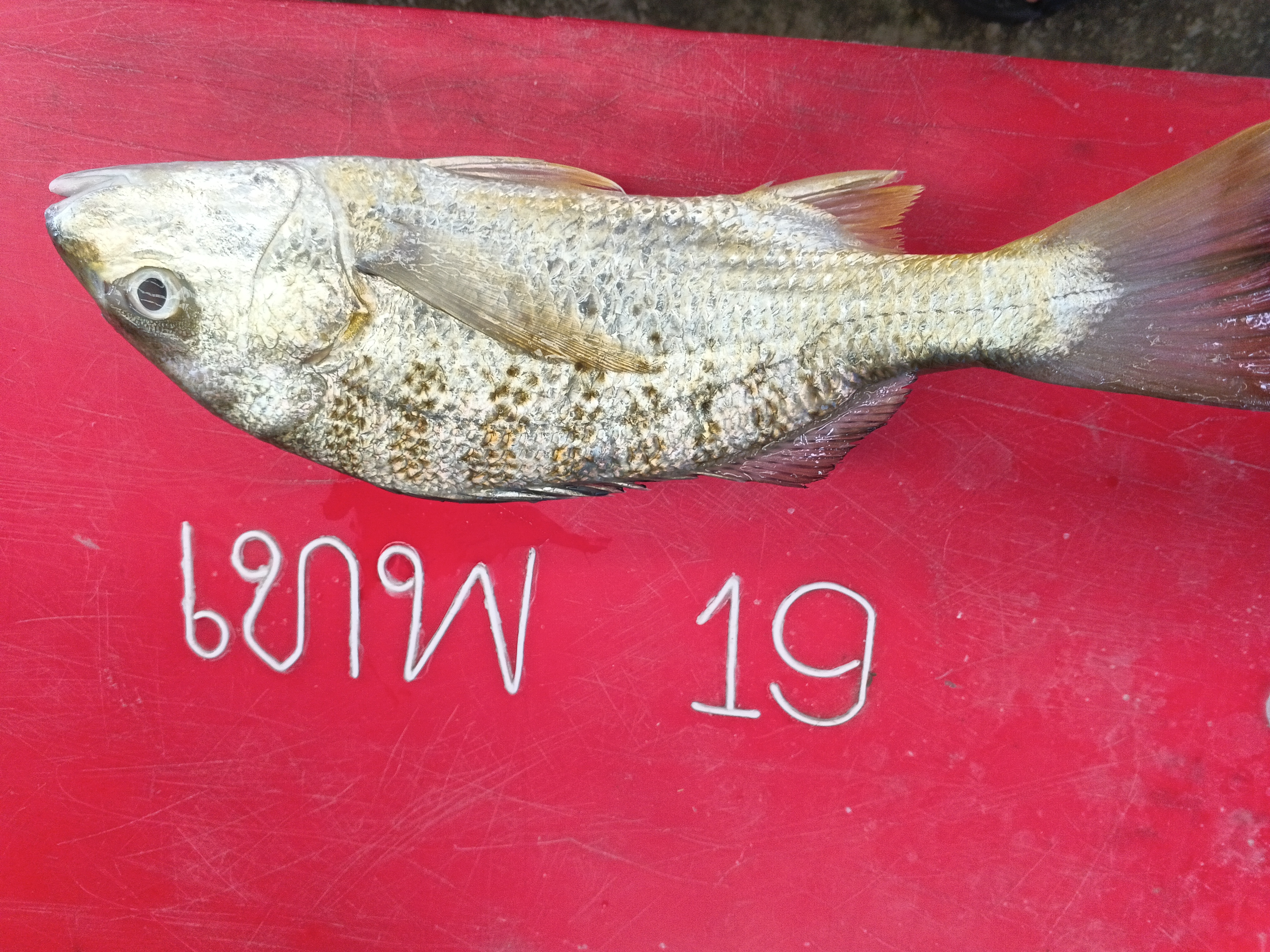
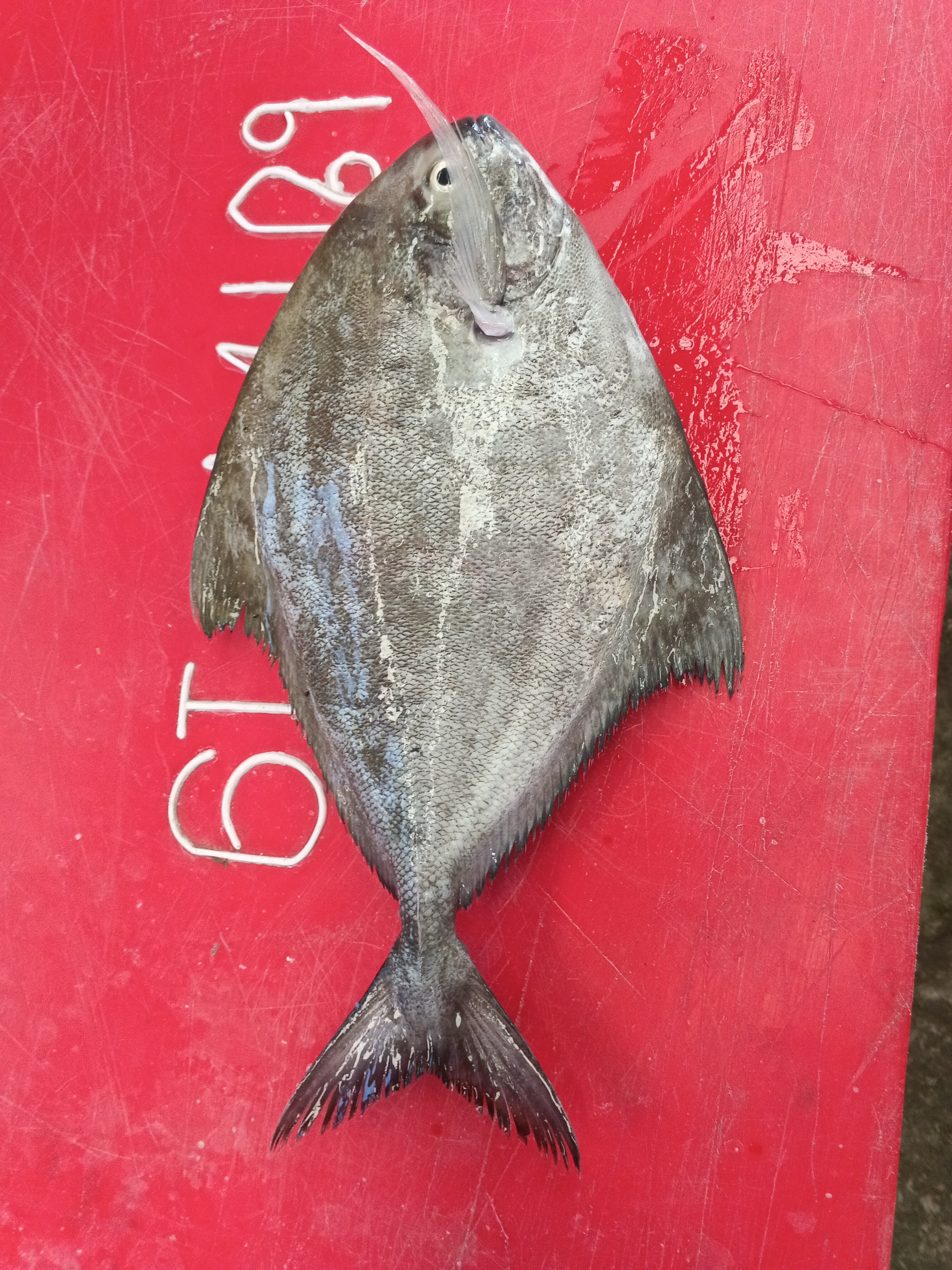
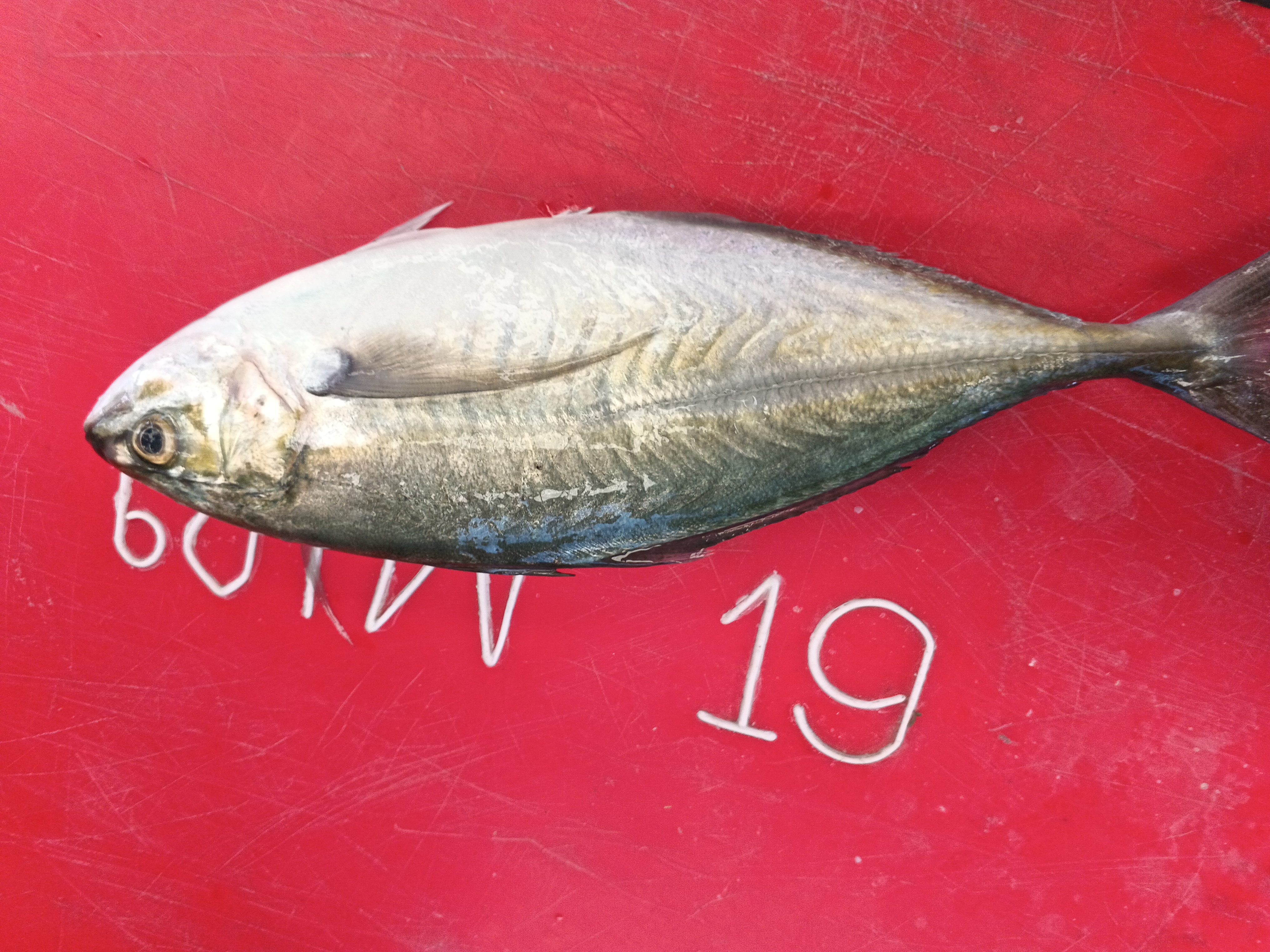
- I sourced 1kg of Black pomfret, 1.2kg of Flat bream, and 2kg of Herring scad from Pran Buri.
- The fish were photographed at the port shortly after landing and transported to the processing facility within 10 minutes of purchase.
- Processing into sashimi fillets, vacuum-packing, and blast-freezing were completed rapidly.
- Storage temperature is maintained between -30℃ and -60℃.
Pran Buri Catch Details
Today, my focus was on the fish caught off Pran Buri. This area, about 20 minutes by car from Hua Hin, yielded a catch consisting of Black pomfret, Flat bream, and Herring scad. I acquired 1kg of Black pomfret, 1.2kg of Flat bream, and 2kg of Herring scad. The total weight for this specific procurement was 4.2kg. Each fish's weight was recorded: 1kg for the Black pomfret, 1.2kg for the Flat bream, and 2kg for the Herring scad.
Condition Upon Landing
Upon arriving at the port, I examined the fish. The Black pomfret, Flat bream, and Herring scad were firm. I took photographs of them at the port. The time from when they were brought ashore to my observation was under 90 minutes. This visual record is part of my process.
Confirming the condition of the fish at the point of purchase is a necessary step. It allows me to assess their state before they are moved to the processing facility. The photographs serve as a record of their condition at this initial stage.
Processing and Freezing Protocol
After purchasing the fish at the port, they were immediately transported to our processing facility. The journey from the port to the facility takes less than 10 minutes. At the facility, the fish were processed into sashimi fillets.
Following the filleting process, each fillet was vacuum-packed. This packaging helps protect the fish. The vacuum-sealed packs were then placed into our blast freezer.
The blast freezing process aims to preserve the fish's structure. This is done to maintain the quality of the fish after it has been caught. The temperature in our blast freezer ranges from -30℃ to -60℃.
Storage and Temperature Control
Once blast-frozen, the fish are moved to cold storage. The temperature in these units is kept between -30℃ and -60℃. This consistent temperature is vital for preservation.
We log the temperature of the storage units regularly. This ensures the fish remain at the required temperature until they are distributed. This is part of our standard procedure for all wild-caught fish.
My Perspective from Pran Buri
Working directly with the catch in Pran Buri gives me a clear view of the process. Seeing the fish brought ashore and handling them myself at the processing facility is fundamental to my approach. I photograph the fish at the port and at the facility. I record the weight and the processing times.
This documentation provides a transparent record of how the fish are handled. My focus is on these factual steps. If you are interested in the current availability of fish, you can check our online shop.