Key Takeaways
- Sourced 17kg African Pompano, 9kg Indian Threadfish, and 5.2kg Giant Trevally off Pran Buri.
- Fish were moved rapidly from landing to our processing facility, arriving within 10 minutes of port purchase.
- All fish were processed into sashimi fillets, vacuum-packed, and blast-frozen at -30℃ to -60℃.
- Storage temperature is maintained at -30℃.
- Detailed records of fish condition and handling times were kept.
Pran Buri Catch Details
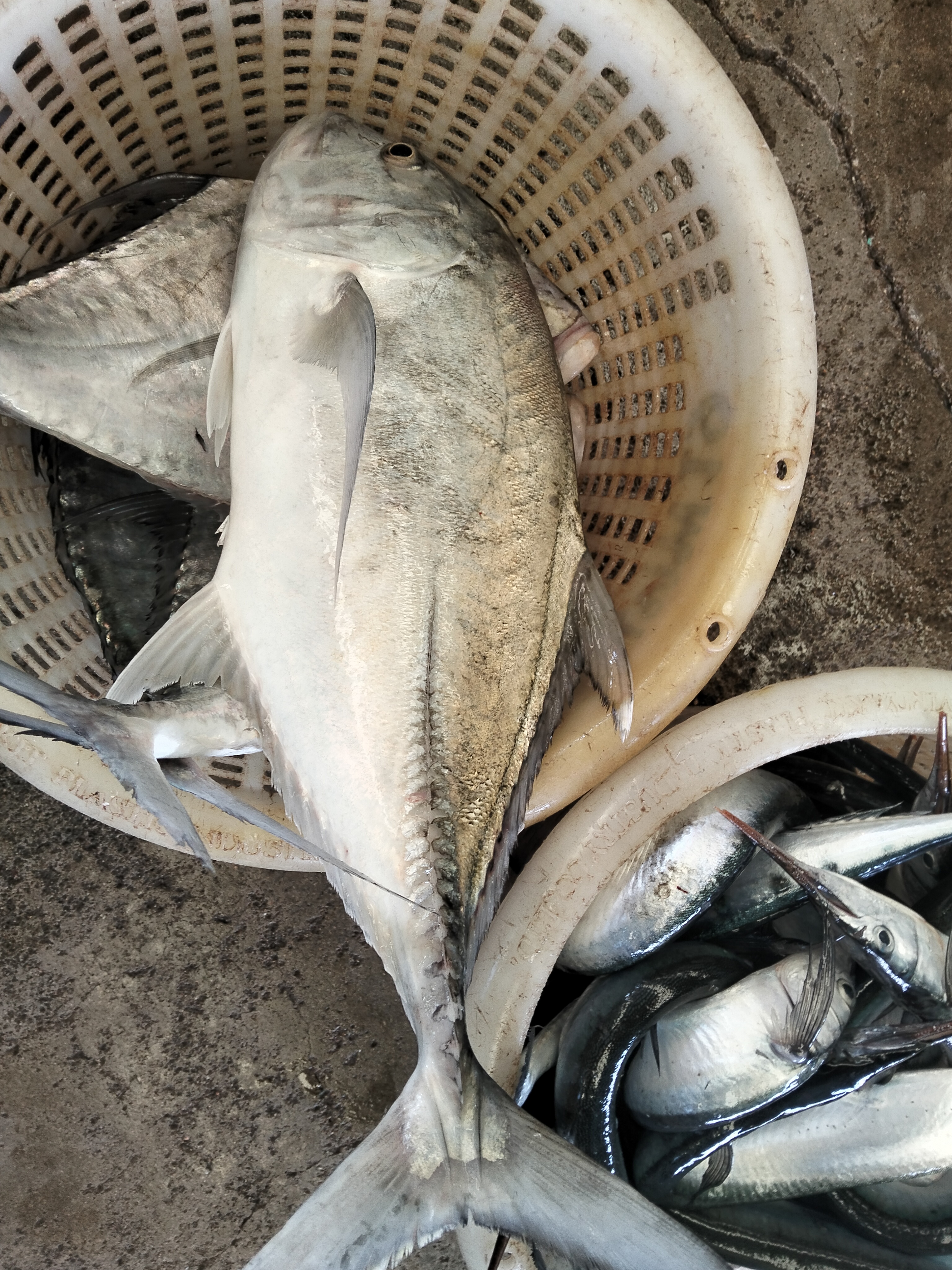
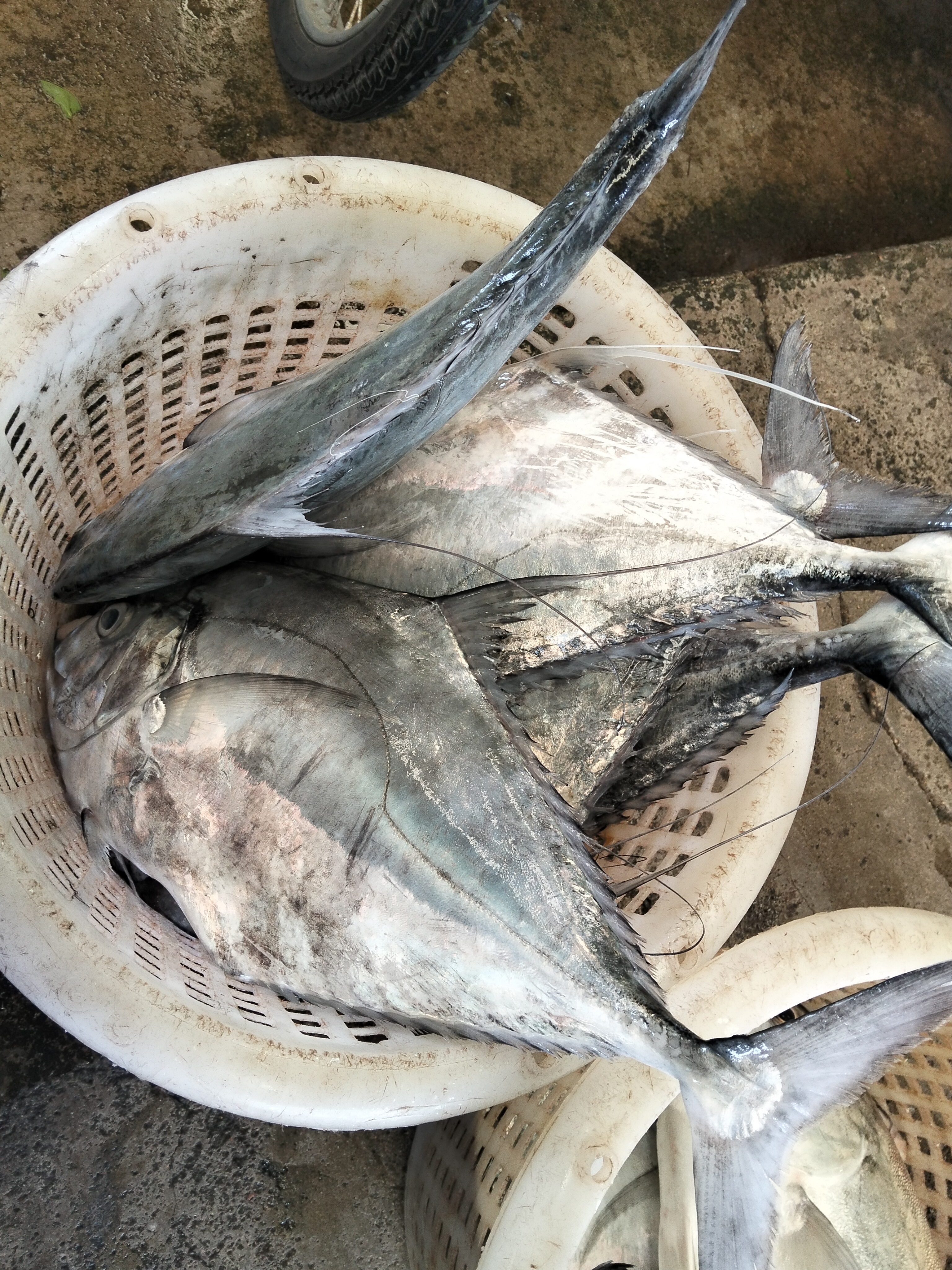
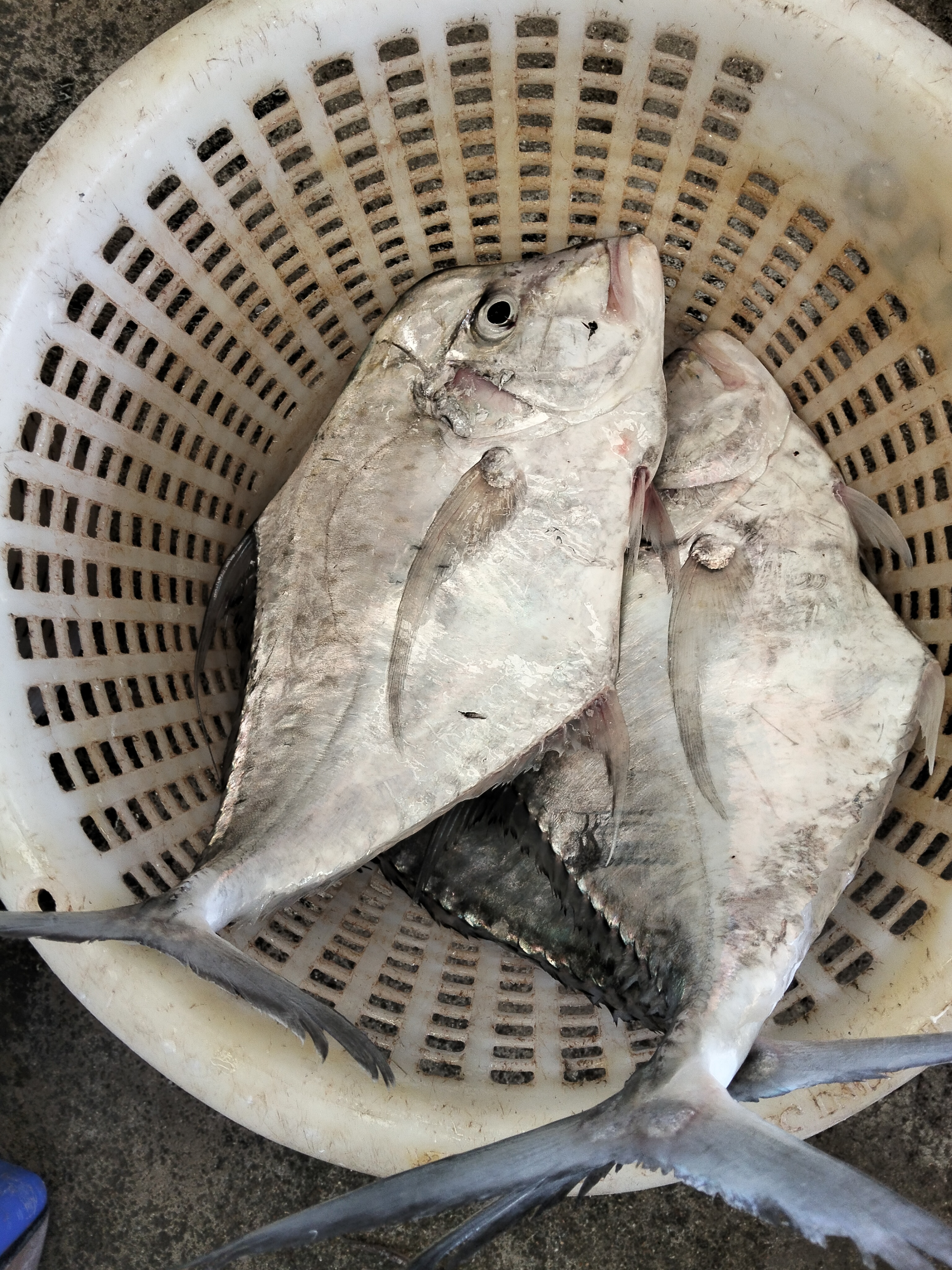
Today, we brought in some significant catches from the waters off Pran Buri. The haul included a 17kg African pompano, a 9kg Indian threadfish, and a 5.2kg Giant trevally. These fish were landed by our fishing partners in Pran Buri, a town about 20 minutes by car from Hua Hin. (•̀_•́)✨
The African pompano, known in Japanese as Itohiki-Aji, is a substantial fish. Its body is deep and laterally compressed, with a distinctive long filament extending from the dorsal fin. The Indian threadfish, or Umadsura-Aji, shares a similar body shape but is distinguished by its pointed snout. The Giant trevally, or Rounin-Aji, is a powerful predator, recognized by its robust build and large scales.
We photographed these fish upon arrival at the port. The conditions at landing dictate the subsequent handling. Our focus is always on accurate documentation from this point forward. (≖ ͜ʖ≖)✨
Fish Condition and Records
The 17kg African pompano had firm flesh and a bright silver color, with a noticeable layer of fat on the belly. The 9kg Indian threadfish presented with firm flesh and a distinct texture. The 5.2kg Giant trevally was muscular, its flesh a deep red, with fine, dense fibers. These observations were made immediately upon purchase at the port.
We recorded the physical characteristics of each fish: the texture of the flesh, its color, the distribution of fat, its firmness, and the direction of the muscle fibers. This detailed information is crucial for understanding the fish and ensuring proper handling. These records are part of our commitment to transparency in the entire process.
Rapid Processing Protocol
After landing, the fishermen on the boat performed immediate ice-stunning on the catch. This is a critical first step to maintain quality. We purchased the fish shortly after they arrived at the port. Our team was ready, and we were at our processing facility within 10 minutes of the purchase. This rapid transfer is key to preserving the fish's condition.
At the facility, the fish were immediately prepared for processing. This involves precise cutting techniques, skills I learned directly from the chairman. Our standard procedure involves cutting them into sashimi fillets. Each fillet is then carefully vacuum-packed. This packaging method is designed to protect the fish during the freezing process and subsequent storage. ( ͡° ͜ʖ ͡°)✨
Blast Freezing and Storage
Following vacuum packing, the fillets undergo rapid blast freezing. We utilize freezers capable of reaching temperatures between -30℃ and -60℃. This deep and fast freezing process is essential. It ensures that the cellular structure of the fish is preserved as much as possible, minimizing damage and maintaining texture. This is how we ensure the fish remains in its best possible state until it reaches our customers.
The storage temperature for all our processed fish is maintained at -30℃ or below. Consistent, deep freezing is non-negotiable. It's a fundamental part of our operation here in Pran Buri. For this catch, the African pompano, Indian threadfish, and Giant trevally all entered the freezer within 85 minutes of landing. (✧∀✧)✨
KO's Perspective
Today's catch presented three distinct types of fish, each requiring specific attention. My role as the processing and procurement manager is to oversee this entire chain. From the moment we acquire the fish at the port, through the precise cutting and hygiene standards taught to me by the chairman, to the final blast freezing. I am dedicated to replicating these skills accurately.
The rigorous training I received emphasizes not just the cutting techniques but also the critical importance of hygiene. Each step is performed with meticulous care. This ensures that the fish we process consistently meets our high standards. It is a responsibility I take seriously, and I am committed to passing these skills on to the next generation here. (•̀_•́)✨
You can check current availability in our online shop.